
Category: Blog

Your blog category

  • Tonic Tensor Tympani Syndrome (TTTS): symptoms, causes and treatment options

    Tonic Tensor Tympani Syndrome (TTTS): symptoms, causes and treatment options

    Tinnitus is one of the leading symptoms of Tonic Tensor Tympani Syndrome (TTTS) — a rare but uncomfortable condition often linked to emotional factors such as anxiety and stress.

    TTTS affects the middle ear and causes involuntary contractions of the tensor tympani muscle, resulting in a distinct internal noise that patients recognize as tinnitus.

    Besides tinnitus, TTTS may cause a feeling of fullness in the ear, a perceived drop in hearing (usually on one side), and occasionally dizziness.

    Although still not fully understood, TTTS is frequently observed in people under emotional stress or with anxiety disorders, as well as in those recently exposed to a loud, sudden sound — like an explosion or a firework.
    This nonspecific profile makes diagnosis challenging and largely dependent on ruling out other conditions that cause tinnitus.

    In this article, you will learn what TTTS is, how it manifests, how doctors investigate the condition, and the treatment options available.

What is Tonic Tensor Tympani Syndrome?

Let’s start with the name. Tonic refers to a contracted or tense state, while the tensor tympani is a small muscle attached to the eardrum and the malleus — one of the tiny middle ear bones, just like the incus and stapes.

The eardrum is a thin, diaphragm-like membrane that fully covers the auditory canal. All sound waves reaching the ear vibrate the eardrum — strongly for loud sounds and more lightly for soft ones.

These vibrations are transmitted through the ossicles and then carried to the cochlea via the oval window.

The tensor tympani connects the eardrum to the malleus and can activate reflexively when the ear detects a sudden, intense noise. It tightens the eardrum to dampen the sound and protect the inner ear.

That’s why your hearing may feel muffled after leaving a noisy environment like a concert.

What goes wrong in TTTS?

In TTTS, this protective muscle begins to contract on its own — intermittently or continuously — without any external auditory trigger.

This involuntary process may create symptoms such as:

  • persistent or rhythmic tinnitus
  • sensation of pressure or fullness in the ear
  • discomfort around the middle ear

In some individuals, TTTS may also be connected to:

  • anxiety disorders
  • sleep disturbances
  • dental and jaw problems (such as TMJ dysfunction)
  • high levels of stress

How is TTTS diagnosed?

Even though patients may describe the tinnitus as “fluttering,” “clicking,” or a rhythmic sound, diagnosing TTTS is still complex.

Usually, evaluation by an ENT specialized in otoneurology is necessary.

The diagnosis often includes:

  • Detailed medical history and description of tinnitus
  • Reports of ear fullness, pain, tingling or burning sensations
  • Hearing tests (may show subtle changes)
  • Assessment of stress or anxiety levels

In rare cases, the ENT may visualize abnormal eardrum movement during otoscopy.

Doctor, something is pulsating in my ear!

Tinnitus in TTTS can take many forms and does not always follow a predictable pattern.
Some patients report:

  • clicking or tapping sounds
  • fluttering like wings
  • intermittent buzzing or rustling
  • pulsating noise that resembles a heartbeat

However, there is a key difference: in TTTS, the pulsating sound does not match the heart rate, which helps rule out vascular causes.

If tinnitus worsens during stressful events — periods of insomnia, emotional strain or heightened anxiety — suspicion of TTTS becomes even stronger.

How is TTTS treated?

Because TTTS is multifactorial, treatment must address each patient’s individual profile.

Approaches may include:

Orofacial physiotherapy

Focused on relaxing the facial and jaw muscles — structures innervated by the same nerve that activates the tensor tympani.

Psychological care

Therapy to help manage anxiety and stress, two major triggers of the condition.

Medications

Muscle relaxants or other drugs can be prescribed in selected cases to reduce muscle contractions and discomfort.

If you are experiencing the symptoms described above, seek evaluation from an otolaryngologist — preferably one specialized in tinnitus and balance disorders.


  • What makes tinnitus worse and how to avoid common triggers?

    What makes tinnitus worse and how to avoid common triggers?

    Sleep disorders can be related to tinnitus, but this connection must be evaluated individually. Many factors can affect sleep quality — tinnitus being only one of them.

    What makes tinnitus better or worse depends on its underlying cause. In most chronic cases, however, it’s essential to protect your hearing (by avoiding prolonged exposure to loud noise), maintain healthy habits, and avoid medications or foods that can trigger symptoms.

    A common question among people with tinnitus is whether something in their daily routine or diet could make the symptom worse — and consequently, improve when avoided.

    Indeed, some daily measures can reduce the discomfort, but none of them replace proper medical treatment for the condition causing the tinnitus.

    In this article, I clarify these issues and also warn against popular home remedies and internet “cures” that lack scientific evidence.

    Before we continue, if you have tinnitus and haven’t sought medical help yet, your first step should be to consult an otolaryngologist or an otoneurologist — an ENT specialist focused on tinnitus and inner ear conditions.

  • What makes tinnitus worse?

    Tinnitus is the perception of sound without an external source — a noise only the patient can hear. It can resemble buzzing, whistling, hissing, running water, or electrical sounds, among many other descriptions.

    Tinnitus is a common symptom with many possible causes, each requiring specific evaluation and treatment. What makes tinnitus worse or better depends on its origin.

    If the symptom is caused by earwax buildup, for example, trying to remove it with cotton swabs can worsen the situation or cause new problems. If it stems from musculoskeletal tension, emotional stress or jaw dysfunction may intensify the perceived noise.

    It’s important to note that hearing loss is one of the main factors associated with tinnitus, so measures to preserve hearing are strongly recommended to prevent worsening.

    Certain medications, such as aspirin, anti-inflammatories, antihypertensives, and some antibiotics, can also affect the inner ear and temporarily aggravate tinnitus in some people.

    Additionally, unhealthy habits — such as irregular sleep, physical inactivity, and excessive consumption of caffeine or alcohol — can make tinnitus worse.

    Before taking any measures, however, it’s crucial to understand how tinnitus occurs and how it’s perceived. Sometimes, you may feel that the sound has become louder, but this doesn’t always mean the condition itself has worsened.

    Has your tinnitus really worsened?

    Because tinnitus is a sound, people often focus on its intensity or frequency. However, in most cases, the patient’s perception and emotional response to tinnitus have a greater impact on quality of life than the actual sound characteristics.

    Mood changes — such as stress and anxiety — are strongly linked to the worsening of tinnitus. Yet, this doesn’t always mean the tinnitus itself has worsened, but rather that the patient has become more sensitive or reactive to it.

    Understanding this helps clarify that improving tinnitus is not just about lowering the sound, but reducing its emotional impact so it interferes less with daily activities.

    Of course, this discussion mainly applies to chronic tinnitus. In some cases — such as when tinnitus is caused by wax buildup or infection — proper treatment can completely eliminate the noise. That’s why accurate diagnosis is essential to determine the best approach.

    What should people with tinnitus avoid?

    Once again, the right measures vary from case to case. Everything depends on the root cause of tinnitus, the patient’s specific characteristics, and the findings of medical evaluation.

    In general, however, the following precautions are recommended for most patients:

    1. Prolonged exposure to loud noise

    Because hearing loss and ear trauma are the most frequent triggers of tinnitus, protecting your hearing is essential — especially if you already have some degree of hearing damage.

    2. Unhealthy lifestyle habits

    Patients who maintain a healthy lifestyle — balanced diet, adequate sleep, stress control, and regular physical activity — tend to be less affected by tinnitus. Besides helping the symptom, these habits benefit overall well-being and daily functioning.

    3. Excessive alcohol, caffeine, and sugar

    Stimulant substances can raise blood pressure or increase neural activity, worsening tinnitus or its perception, particularly in anxious individuals. These substances are not forbidden but should be consumed in moderation.

    Also, blood sugar imbalances, such as high glucose and insulin levels, may influence tinnitus generation and modulation in some patients.

    There’s no universal list of foods that worsen tinnitus. One person may notice worsening after eating chocolate, while another may not notice any difference.

    You should therefore identify specific triggers that affect your tinnitus and limit them. In general, avoid overconsumption of sugary or stimulating foods and beverages.

    4. Self-medication (even with natural products)

    Self-medicating is always risky — and tinnitus is no exception. People often exchange advice about drugs or homemade remedies, which can be dangerous.

    Many substances, even “natural” ones, can cause side effects or worsen tinnitus permanently. Some medications — including common ones like aspirin — can aggravate symptoms in certain patients. Such effects are individual and should always be evaluated by a doctor.

    If you suspect a medication is worsening your tinnitus, talk to your physician about possible adjustments or alternatives.

    5. Poor sleep quality

    Lack of restorative sleep contributes to fatigue, stress, and metabolic changes — all of which can increase tinnitus sensitivity, irritability, and exhaustion.

    6. Mood disorders

    Finally, anxiety and depression can significantly worsen tinnitus and make coping more difficult, deeply impacting quality of life. Multidisciplinary care involving therapy and psychiatry is recommended for many tinnitus patients.

    In addition to these factors, spinal misalignments, metabolic disorders (such as diabetes), cardiovascular issues, and musculoskeletal dysfunctions of the head and neck (like TMJ disorders) are also linked to tinnitus onset or worsening.

    In all cases, the first and most important step is to consult a specialist for accurate diagnosis and effective treatment planning.

    Tinnitus is not a disease — it’s a symptom — and there are treatment options for all underlying causes. Consult a doctor!

  • Early hearing loss: causes, symptoms and prevention

    Early hearing loss: causes, symptoms and prevention

    Early hearing loss refers to hearing decline that begins before the typical age range (usually after 60). It can occur for many reasons — from congenital causes (present at birth) to frequent exposure to loud sounds.

    The increasing number of tinnitus and hearing loss cases among children, teenagers, and young adults shows that this will be one of the greatest public health challenges of current and future generations.

    There are several causes linked to hearing loss and the early onset of related symptoms. However, it’s concerning that many of these cases are preventable — meaning they could be avoided with proper awareness and care.

    In addition to frequent exposure to loud noises, one of the main causes of early hearing loss in young people, we must also consider diseases and conditions that can affect hearing health earlier in life, sometimes even before birth.

    In this article, I summarize the main causes and give guidance on what to do in such cases. Keep reading to learn more!

    What are the main causes of early hearing loss?

    Early hearing loss can occur for several reasons. The most common include complications during pregnancy or childbirth, trauma, ear-related diseases, certain medications, and of course, exposure to loud sounds.

    Although age-related hearing loss (presbycusis) is the most common cause among older adults, hearing loss can affect people of all ages — and it’s increasingly being seen in young populations.

    Below are the main causes associated with early hearing loss in general:

    1. Congenital deafness

    Diseases such as rubella, measles, syphilis, and toxoplasmosis, when they affect the mother during pregnancy, can also compromise the baby’s hearing.

    Other risk factors include the use of certain medications during pregnancy, obesity, nutritional deficiencies, diabetes, high blood pressure, complications during delivery, and neonatal disorders such as jaundice.

    2. Diseases

    Early hearing loss can also result from infections like otitis media (common in children) and labyrinthitis.

    Chronic conditions such as otosclerosis and Ménière’s disease may cause progressive hearing decline, often accompanied by tinnitus and a sensation of fullness in the ear.

    3. Exposure to loud sounds

    Frequent exposure to loud noise can cause cumulative and permanent damage to the hair cells in the inner ear — a condition known as sensorineural hearing loss.

    This type of loss is common among professionals exposed to constant loud environments, such as factory workers, hairdressers, and musicians. However, it has become increasingly prevalent among teenagers and young adults due to loud concerts and excessive headphone use.

    What are the main signs of hearing loss?

    Hearing loss is not always obvious, especially in mild cases or among young children. It’s important to recognize early warning signs so that diagnosis and treatment can begin as soon as possible.

    Signs in adults

    Adults with hearing loss — much like elderly individuals — often show communication difficulties and behavioral changes. A very common sign is the need to increase the volume of the TV or radio to better understand speech and sounds.

    They may also struggle to follow conversations, especially in noisy environments, and often ask others to repeat themselves. Some people unconsciously start lip-reading to compensate.

    Specific symptoms such as tinnitus and hyperacusis (increased sensitivity to moderate sounds) also deserve attention.

    Signs in children

    Hearing loss in babies or children is often mistaken for inattention, disobedience, or even developmental conditions like autism spectrum disorder (ASD). This happens because hearing difficulties make the child seem distracted or unresponsive to sounds such as doorbells or ringing phones.

    Like adults, children may also have trouble understanding speech in noisy places, which can affect speech development.

    Other warning signs include irritability, difficulty in group activities, and complaints about noise sensitivity or ringing in the ears.

    Temporary vs. permanent hearing loss

    In many cases, hearing loss is temporary — meaning hearing returns to normal after treating the underlying cause. This is common in patients with infections such as serous otitis media or impacted earwax.

    When it comes to loud noise exposure, both reversible and irreversible damage can occur, depending on the sound intensity, frequency, and duration of exposure.

    Some people are more susceptible to permanent damage, especially those who already have some degree of hearing impairment.

    While very loud noises like explosions or gunfire can cause sudden hearing loss, most cases involve gradual hearing decline caused by continuous exposure to harmful sound levels.

    How to prevent deafness

    Early detection of ear disorders can help prevent or slow down hearing loss and reduce its impact on adults’ quality of life and on children’s social and educational development.

    To prevent avoidable cases, it’s important to maintain healthy hearing habits — such as avoiding inserting objects into the ear canal (including cotton swabs) and limiting exposure to loud sounds for prolonged periods.

    Young people who frequently attend concerts or nightclubs, or who use headphones daily, should take special care: use noise-isolating devices, keep the volume at safe levels, and take regular breaks to allow your ears to recover.

    Early hearing loss is more common than many people realize — but treatments and resources exist for all cases. Take good care of your hearing and stay alert: at the first sign of hearing loss, consult an otolaryngologist or an otoneurologist (an ENT specialist focused on tinnitus and hearing conditions).

  • Sleep disorders and tinnitus: how are they related?

    Sleep disorders and tinnitus: how are they related?

    Sleep disorders may be related to tinnitus, but this connection must be assessed on a case-by-case basis. There are many factors that can influence sleep quality, and tinnitus is only one of them.

    Tinnitus can manifest in many different ways. Patients often describe it as a sound similar to a waterfall, hissing, cicadas, whistling, or even a pressure cooker, among several other comparisons.

    Because the noise becomes more noticeable in silence, it is natural for patients to feel more disturbed by the symptom at night. Many of them notice tinnitus for the first time during this period.

    On the other hand, some report that their tinnitus worsens when they sleep poorly, which may be linked to fatigue and stress caused by insufficient or poor-quality sleep.

    In this article, I discuss these relationships and answer some common questions about the topic. Keep reading to learn more!

    Do people with tinnitus suffer from insomnia?

    Not necessarily. Many people with tinnitus are not bothered by it. However, some patients do struggle to fall asleep or wake up feeling anxious and irritated.

    It is important to note that, in many cases, sleep problems existed before tinnitus appeared — often due to anxiety, sleep apnea, or poor bedtime habits.

    Sleep complaints are more common when tinnitus is recent, a time when the patient is still very uncomfortable and worried about its implications.

    Therefore, each case must be evaluated carefully and broadly, since both tinnitus and insomnia are linked to irritability, fatigue, emotional strain, and mood disorders.

    Why does tinnitus get worse at night?

    Many patients claim their tinnitus becomes louder at night, but in most cases, this is only a perception. The sound itself doesn’t intensify — it simply becomes more noticeable because there are fewer environmental noises masking it.

    Tinnitus will always be more perceptible in quiet environments, and it’s common for patients to avoid silence. Many choose to keep a TV, fan, or audio device on to mask the noise.

    When tinnitus causes significant discomfort, it can make it harder to fall asleep. Moreover, the fatigue caused by insomnia adds to the distress and anxiety, further affecting the patient’s quality of life.

    How does tinnitus affect sleep?

    Studies show that people with tinnitus exhibit increased activity in certain brain areas related to hearing, although it’s not yet clear whether these changes directly affect sleep quality.

    Some estimates suggest that tinnitus sufferers experience sleep disturbances and night terrors more often, possibly due to these neurological changes — but more research is needed to confirm this link.

    What we do know is that tinnitus can cause discomfort and irritation, and this emotional response interferes with sleep quality.

    Fatigue, stress, and anxiety also worsen the perception of tinnitus, creating a harmful cycle marked by insomnia at night and heightened tinnitus awareness during the day.

    What can you do at bedtime to reduce tinnitus?

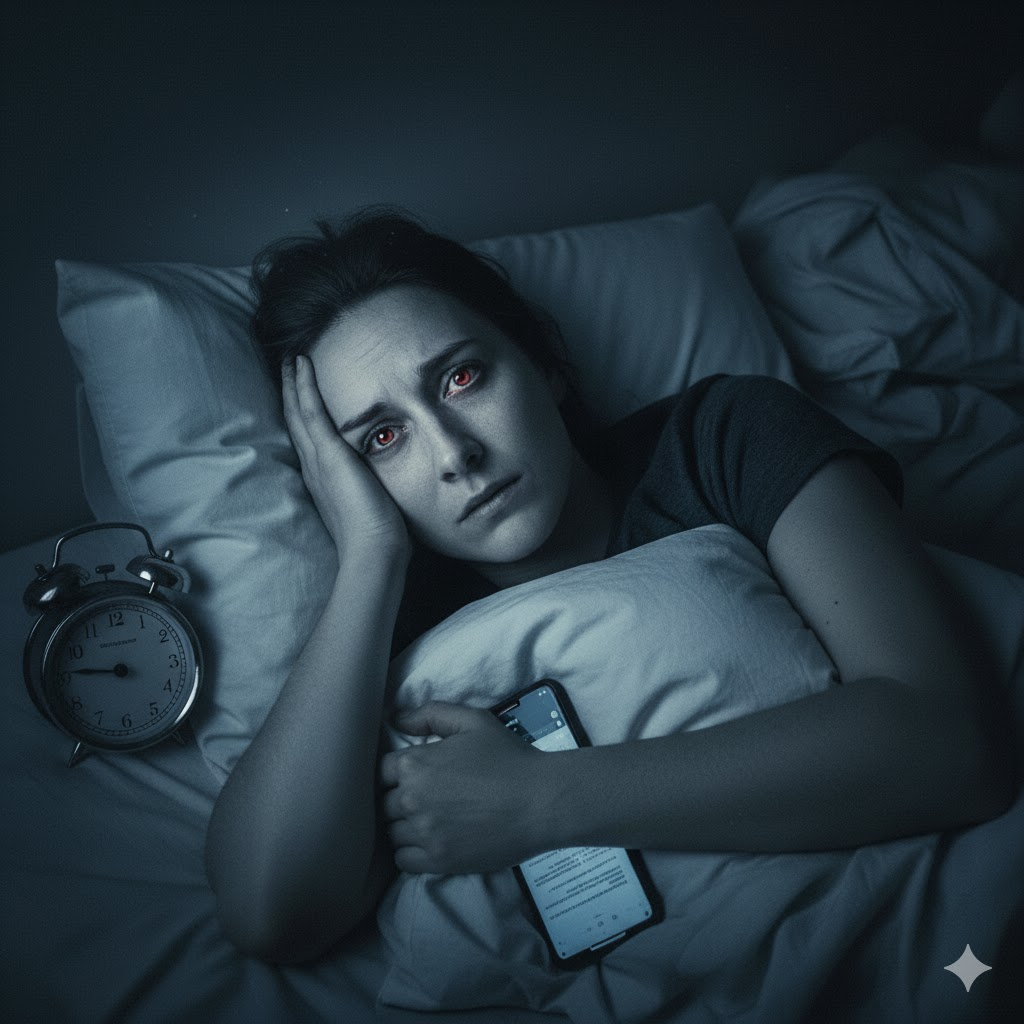
    To help you fall asleep and improve sleep quality, avoid stimulants like coffee and energy drinks, and limit screen time before bed — especially on your phone, TV, or computer. The light from these screens stimulates the brain and delays sleep.

    Establishing a bedtime routine also helps your body recognize when it’s time to rest.

    To directly address tinnitus, sound therapy can be used. This involves using neutral, pleasant background sounds — slightly softer than the tinnitus — to reduce symptom perception in quiet settings.

    Many people try this on their own using online audio tracks, but the best approach is to seek guidance from an ENT specialist or audiologist experienced in tinnitus management.

    Simply masking tinnitus with a louder sound may offer temporary relief, but once the masking sound stops, the perception of tinnitus often returns stronger.

    How to improve tinnitus symptoms?

    Regardless of the cause or characteristics of tinnitus, adopting a healthy lifestyle is essential. Eat well, exercise regularly, and keep a consistent sleep routine.

    Mental health care is equally important — managing stress and anxiety can significantly reduce the perception of tinnitus and its emotional impact.

    Therapeutic and psychiatric support are often recommended, along with relaxation practices such as yoga and meditation. Engaging in enjoyable activities that promote well-being also helps.

    These measures improve both tinnitus and sleep disturbances, whether they are related or not.

    Most importantly, seek medical advice to properly understand your condition and access the best treatment options available.

    There are effective resources and therapies for all types of tinnitus — so don’t hesitate to consult an otolaryngologist or an otoneurologist (an ENT specialist focused on tinnitus)!

  • Neurotology: understanding the specialty that treats dizziness, tinnitus, and balance disorders

    Neurotology: understanding the specialty that treats dizziness, tinnitus, and balance disorders

    Neurotology focuses on the structures of the inner ear and their connections with the central nervous system. A neurotologist works on preventing, diagnosing, and treating disorders related to dizziness, imbalance, vertigo, tinnitus, and hearing loss.

    Have you ever heard of neurotology?

    This medical specialty has become increasingly sought after by patients who experience dizziness or ringing in the ears, yet it remains relatively unknown to the general public.

    In most cases, people only learn about the field when they are referred by another doctor — usually an otolaryngologist — for a deeper diagnostic and treatment approach.

    If you are planning to see a neurotologist or have recently discovered this area and want to learn more, you’re in the right place. In this article, you’ll find an overview of this medical specialty, its approach, and when to seek an ENT doctor who specializes in tinnitus and dizziness.

    What is neurotology?

    In simple terms, a neurotologist is known as the doctor who treats dizziness and tinnitus — and that’s mostly correct. Neurotology is the branch of otolaryngology dedicated to studying the structures, functions, and diseases related to dizziness and auditory changes, such as hearing loss and tinnitus.

    I like to describe it as dealing with the “conversation” between the structures inside our brain and those inside our ears — which together play a vital role in balance and hearing.

    The main focus of neurotology is the vestibular system, a set of inner ear components responsible for our balance and spatial orientation.

    Among various causes, symptoms like dizziness and tinnitus often arise from changes in these structures or in the nerve pathways connecting them to the brain. Neurological factors can also influence these conditions — for instance, we now know that tinnitus patients show increased activity in certain brain regions associated with hearing.

    Neurotology is a rapidly expanding field, with ongoing advances in understanding how these structures work, how diseases develop, and how to treat them effectively.

    What does a neurotologist treat?

    Although often referred to as a “labyrinthitis doctor” or “ear specialist,” a neurotologist’s work goes far beyond that. They perform detailed evaluations of the auditory and vestibular systems and investigate potential connections between the symptoms and the central nervous system (the brain and spinal cord).

    A full otolaryngologic examination is essential, and additional tests are not always required to reach a diagnosis.

    Currently, there are no specific exams that can accurately determine the exact cause of dizziness. However, complementary tests can provide clues or rule out possible conditions. Therefore, the patient’s medical history and the story they tell during consultation are fundamental to diagnosis.

    Main conditions treated by a neurotologist

    As mentioned, dizziness and tinnitus are the key symptoms investigated in neurotology. They can be associated with many different disorders, such as:

    • Benign paroxysmal positional vertigo (BPPV)
    • Persistent postural-perceptual dizziness (PPPD)
    • Vestibular migraine
    • Labyrinthitis
    • Ménière’s disease
    • Vestibular neuritis
    • Motion sickness

    Tinnitus, for example, is a significant symptom that may stem from various causes and aggravating factors. A neurotologist is the most qualified professional to provide an accurate diagnosis and an effective treatment plan for it.

    Difference between an otolaryngologist and a neurotologist

    As stated, neurotology is a subspecialty within otolaryngology, but it also intersects with neurology.

    Otolaryngology deals with disorders of the ear, nose, and throat, as well as related structures in the head and neck.
    Neurotology, on the other hand, is a division that focuses more deeply on the auditory and balance systems.

    This area is particularly important because diagnosing disorders affecting these systems can be complex. Symptoms often vary widely, and multiple factors may be involved, requiring personalized and often multidisciplinary treatment strategies.

    When should you see a neurotologist?

    So, when exactly should you consult a neurotologist?

    Although most patients are referred by another doctor, you can seek a neurotologist directly if you experience symptoms such as:

    • Dizziness (imbalance, disorientation, or lightheadedness when standing up)
    • Vertigo (a spinning or swaying sensation)
    • Recurrent falls (often linked to dizziness or vertigo)
    • Tinnitus (hearing sounds without an external source)
    • Hearing changes (like hearing loss or a feeling of ear fullness)
    • Ear discomfort (itching, pain, discharge, or swelling)

    Given the wide range of conditions that can cause these symptoms and the need for tailored treatments — especially for issues like tinnitus — consulting a specialist is highly recommended.

    In many cases, other medical fields such as audiology, physiotherapy, dentistry, and psychiatry are also involved in the treatment process.

    It’s important to emphasize that in neurotology, the story told by the patient during consultation or teleconsultation is crucial for diagnosis. So, be detailed and honest with your doctor about your symptoms and experiences.

    If you have one or more of the symptoms above and wish to investigate their causes in depth, don’t hesitate to consult a neurotologist!