
Category: Blog

Your blog category

  • Safe headphone use: 4 essential tips to protect your hearing

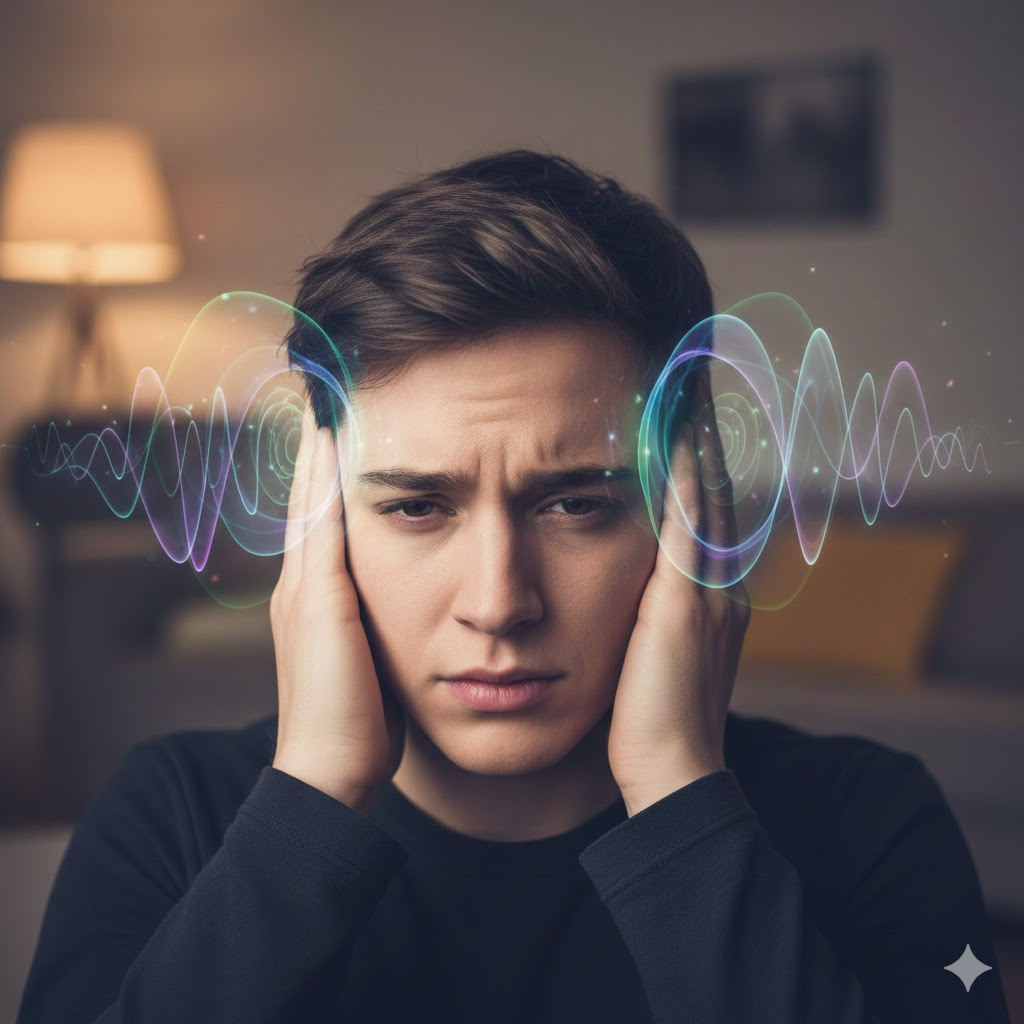
    Safe headphone use: 4 essential tips to protect your hearing

    Headphones are extremely popular, but using them indiscriminately can lead to varying degrees of hearing loss. Learn how to protect your hearing and transform the way you use your headphones by adjusting a few simple habits.

    Using headphones is not prohibited, but it is important to take precautions—especially regarding how often and how long we use these devices.

    The issue is that headphones can be a significant risk factor for hearing loss when used excessively and at very high volumes.

    In this article, I bring key clarifications on the subject and practical tips to help you use headphones in a healthier way. Check it out!

    What are the risks of using headphones?

    The main problem with headphones is also their most attractive advantage: they deliver sound directly into the ear canal.

    Regardless of the model, the sound source sits very close to important auditory structures, such as the eardrum and cochlea, which makes the sound impact stronger and increases the risk of acute or gradual injuries associated with hearing loss.

    Hearing loss can be caused by several factors, ranging from aging to infections, as well as constant exposure to loud noise—such as indiscriminate headphone use.

    What is the best type of headphone for hearing health?

    When it comes to headphones, you should always be cautious, especially because some models may pose higher risks to your hearing than others.

    In general, over-ear headphones (which cover the entire ear) provide better isolation from ambient noise compared to in-ear models (inserted into the ear canal). This reduces the need to increase the volume to overcome surrounding sounds, making them a healthier option. Some over-ear models also feature active noise cancellation, which reduces competition between the device and the environment and allows the user to keep the volume at safer levels.

    For use in quiet environments, bone-conduction headphones are another interesting option. They transmit sound through vibrations in the bones near the ear, without sending sound directly through the ear canal, which significantly reduces pressure on the eardrum.

    It is also important to choose models that are ergonomic and comfortable—firm enough to stay in place but not too tight, avoiding headaches, jaw discomfort, or muscle tension that can also affect auditory structures.

    How can you use headphones safely? 4 tips

    Many people—especially those who already have some degree of hearing impairment—may think: “Doctor, does this mean I can never use headphones again? Will they always damage my hearing?”

    The answer is: no! Headphones do not always damage hearing or worsen existing hearing loss, but it is essential to take proper care. Below are some practices that can help a lot.

    1. Be careful with volume levels

    As you may have noticed, keeping headphone volume at moderate levels is one of the main recommendations to prevent hearing damage—precisely due to how close the sound source is to the auditory structures.

    Sound intensity varies by device and audio quality, but as a general reference, avoid increasing the volume beyond 50% of the maximum level. Modern smartphones usually warn you when you exceed this limit—don’t ignore the alert!

    Another practical indicator: if you can still hear some ambient sounds while wearing headphones, the volume is likely at a healthy level. If you can’t hear anything around you, the volume is probably too high and should be reduced.

    2. Avoid using headphones in already noisy environments

    Using headphones in loud places can be tempting as a way to block external noise, but this usually leads us to increase the volume excessively without realizing it.

    Whenever possible, prefer quieter environments to enjoy your content—and if that’s not feasible, opt for over-ear headphones with active noise cancellation, which help you resist the urge to turn the volume up too high.

    3. Take breaks and limit exposure time

    Besides volume levels, avoiding continuous headphone use is another important recommendation. “Continuous use” means spending many hours per day, every day, for years using headphones—especially harmful when these factors combine.

    To minimize these effects, take regular breaks every hour, limit overall daily and weekly usage time, and create “rest days” so your ears can recover from overstimulation.

    4. Clean your headphones regularly

    Few people know this, but headphones need frequent cleaning—especially in-ear models, which stay in direct contact with the skin.

    Clean your headphones regularly with a damp cloth, replace silicone tips frequently, and avoid sharing them with others.

    What signs of hearing loss deserve attention?

    When headphone use leads to hearing loss, it usually develops gradually—often noticed first by people around the user rather than by the user themselves.

    Some signs may indicate possible hearing impairment, such as difficulty understanding conversations (needing others to repeat information more often), frequently increasing the volume of audio devices (including headphones), and experiencing tinnitus.

    If you identify with one or more of these symptoms, it is recommended to stop using headphones—and if symptoms persist, consult an ENT specialist or a neurotologist for a proper evaluation.


  • Neurologist vs. neurotologist: key differences and when to see each specialist

    Neurologist vs. neurotologist: key differences and when to see each specialist

    Understanding the differences between a neurologist and a neurotologist is essential to help you find the most appropriate medical care. By identifying the symptoms associated with the conditions treated by each specialist, you can seek the right professional more quickly.

    In general terms, neurology is the medical specialty that studies, diagnoses, and treats disorders of the central and peripheral nervous system. Neurotology (the international equivalent of otoneurologia) focuses on disorders of the vestibular (balance) and auditory systems, which connect directly to the nervous system.

    The human nervous system is a highly complex network that controls everything in the body—from thoughts and movements to sensory perception and physiological functions. Although both specialists deal with the nervous system, their areas of focus are distinct.

    In this article, I aim to clarify the key differences between neurology and neurotology, and describe the conditions each specialist treats, so you can better identify which doctor to see if you experience specific symptoms. Let’s begin.

    What is a neurologist and what do they do?

    A neurologist is a physician specializing in the diagnosis and treatment of disorders of the nervous system. Their training includes six years of medical school followed by a neurology residency, which typically lasts three to five years.

    For educational purposes, the nervous system can be divided into two parts: the central nervous system (brain and spinal cord) and the peripheral nervous system (peripheral nerves and the neuromuscular junction).

    The brain—our body’s command center—processes all external information, controls organ function, and enables memory, learning, reasoning, and emotion.

    The brain connects at the base of the skull to the spinal cord, which acts as a two-way communication pathway between the brain and peripheral nerves.

    Peripheral nerves extend throughout the body and are responsible for sensory functions—such as hearing, touch, pain, temperature, and proprioception—as well as visceral organ function and muscular activity, enabling both voluntary and involuntary movements.

    This is a simplified overview of how nervous system control works.

    What is a neurotologist and what do they do?

    A neurotologist is an otolaryngologist (ENT specialist) with advanced training in the diagnosis and management of vestibular system disorders.

    The vestibular system is responsible for balance, spatial orientation, and hearing. It includes structures of the middle and inner ear—such as the eardrum, ossicles (malleus, incus, stapes), cochlea, vestibule, semicircular canals, the vestibulocochlear nerve—as well as brain regions involved in balance and hearing, such as the brainstem and cerebellum.

    More specifically, the vestibular system detects head and body movements in space and sends signals to the brain to maintain posture and balance. The auditory system captures sound waves and converts them into electrical impulses that the brain interprets as sound.

    You can see how the two fields overlap, right?

    Although neurotology is a specialization available to both neurologists and otolaryngologists, it’s important to highlight that hearing-related complaints are always the responsibility of an otolaryngologist (ENT).

    Additionally, a neurologist—even with additional vestibular training—does not identify as a “neurotologist,” but rather as a neurologist specialized in dizziness.

    When should you see a neurologist?

    You should consider seeing a neurologist if you experience symptoms related to central or peripheral nervous system dysfunction. These may include:

    • Headaches: frequent, intense, or with atypical features (e.g., worsening with exertion, accompanied by nausea or vomiting)
    • Seizures: sudden, involuntary loss of consciousness with muscle contractions
    • Chronic pain: persistent pain in the back, arms, legs, or joints
    • Movement disorders: tremors, muscle stiffness, slowed movements, poor coordination, or involuntary movements
    • Memory and cognitive problems: difficulty recalling recent information, spatial or temporal disorientation, confusion, trouble concentrating or with language
    • Muscle weakness: difficulty lifting objects, climbing stairs, or performing daily tasks
    • Sensory changes: tingling, numbness, or loss of sensation
    • Visual disturbances: double vision, loss of peripheral vision, difficulty focusing

    These symptoms may be related to conditions such as epilepsy, multiple sclerosis, Parkinson’s disease, amyotrophic lateral sclerosis (ALS), stroke, migraines, and neuropathies. A general practitioner may also refer you to a neurologist when appropriate.

    When should you see a neurotologist?

    Since neurotologists specialize in disorders of the vestibular and auditory systems, the main symptoms that warrant consultation include:

    • Vertigo: a spinning sensation of yourself or the environment
    • Dizziness: imbalance or unsteadiness, including dizziness when standing up quickly
    • Postural instability: frequent unexplained falls
    • Tinnitus: ringing, buzzing, or other phantom sounds
    • Hearing loss: partial or total decrease in hearing in one or both ears
    • Headaches associated with dizziness
    • Nausea and vomiting, when linked to dizziness or vertigo
    • Motion sickness (kinetosis): nausea, dizziness, or vomiting while traveling
    • “Blocked ear” sensation: reduced hearing as if the ear were clogged
    • Ear pain: pulsating, continuous, or throbbing, often associated with other symptoms

    These symptoms may be related to conditions such as Benign Paroxysmal Positional Vertigo (BPPV), Phobic Postural Vertigo, Vestibular Migraine, Ménière’s Disease, Vestibular Neuritis, hearing loss, motion sickness, labyrinthitis, and others.

    Experiencing one or more of these symptoms doesn’t necessarily mean a vestibular disorder, since other medical issues can produce similar signs. Only a neurotologist can provide an accurate diagnosis and guide the appropriate treatment.

    If you have these symptoms, don’t hesitate to consult a neurotologist!

  • Strange head sensations and dizziness: key clues for an accurate diagnosis

    Strange head sensations and dizziness: key clues for an accurate diagnosis

    Patients describe dizziness in many different ways: “a weird feeling in my head,” “empty head,” “heavy head,” “walking on clouds or cotton,” among several other odd sensations. Although the symptom is often hard to explain, the more detailed the patient is, the faster and more accurate the diagnosis becomes.

    Is it hard for you to describe your dizziness?

    We know this symptom tends to be highly subjective. Many conditions and disorders can trigger this type of issue, but the patient’s interpretation and lived experience may vary greatly from one person to another.

    Another point that makes the diagnosis challenging is the wide range of possibilities associated with dizziness.

    Dizziness can be caused by a simple, momentary discomfort — such as a drop in blood pressure or blood sugar — or by more serious health conditions, such as the well-known labyrinthitis, which is often (and incorrectly) used as a general term for dizziness, even though it is actually a rare infection of the inner ear.

    What you may not have realized is that different types of dizziness offer clues that are fundamental to the diagnosis — and in this article, my goal is to draw your attention to them.

    This content is informational and does not replace an appointment with a specialist dedicated to dizziness and its related conditions.

    Below, you’ll find a few simple questions whose answers will certainly help your doctor understand your case and define the most appropriate treatment. Let’s go!

    1. What kind of strange sensation do you feel in your head?

    The first thing you should observe is the sensations you experience during dizziness. It’s very common, for instance, for patients not to fully understand the difference between dizziness and vertigo.

    In medicine, vertigo is understood as a specific type of dizziness characterized by a false perception of movement — such as feeling like everything around you is spinning — or an abnormal perception of a movement you actually made, such as turning your head and feeling the surroundings tilt or your head spin.

    When we talk about dizziness, we mean any type of imbalance or spatial disorientation, which — besides vertigo — may feel like stepping on clouds, cotton, or steps, as well as a sensation of emptiness or a “floating head” that makes walking difficult.

    This distinction is important because vertigo specifically may indicate changes in the labyrinth, the vestibular nerve, the vestibular nuclei, or other structures related to balance and hearing.

    2. Is your dizziness associated with other symptoms?

    This is the most important question for diagnosis, as it helps rule out possibilities and guide the investigation more precisely. Besides dizziness, you should pay attention to:

    • auditory symptoms: hearing loss, tinnitus, or a clogged-ear sensation;
    • headache: especially migraine, usually described as a throbbing pain on one side of the head;
    • neck or back pain: cervical discomforts, stiffness, or soreness;
    • visual changes: hazy vision or blurred sight;
    • palpitations: feeling like the heart is racing;
    • pallor and sweating: and check for fever;
    • nausea: possibly accompanied by vomiting.

    These symptoms don’t always appear together. If they don’t, you should observe whether they started around the same time.

    In some conditions, such as vestibular migraine, the diagnosis may consider the patient’s migraine history even if the most recent dizziness episodes did not include headache.

    In severe cases where symptoms are debilitating — especially when neurological signs appear, such as difficulty moving limbs, speech problems, or double vision — you should seek immediate medical attention.

    Although it is rare, dizziness can sometimes be a sign of stroke or an aneurysm.

    3. Are your symptoms spontaneous or triggered by something?

    You’ll also need to answer questions such as:

    • Does the dizziness or strange head sensation appear suddenly, or does it always occur during moments of tension, pain, fatigue, stress, or anxiety?
    • Do the symptoms appear or worsen after long periods without eating, or when you sleep poorly?
    • Is your dizziness associated with movement or changes in position?

    These clues are important for understanding your condition and, in some cases, may be enough to close the diagnosis.

    Postural Hypotension, for example, can cause brief dizziness when you move from lying or sitting to standing. BPPV (Benign Paroxysmal Positional Vertigo) causes spinning vertigo episodes triggered by lying down, getting up, or moving the head.

    On the other hand, we also have Persistent Postural-Perceptual Dizziness (PPPD) — often known as phobic vertigo — which is a chronic dizziness condition directly linked to psychological and emotional factors.

    Note that BPPV and PPPD have key differences:
    – BPPV appears in episodes and causes rotational vertigo.
    – PPPD causes constant dizziness, often lasting all day and improving only when lying down.

    This is the next clue you need to observe.

    4. Does your dizziness occur in episodes or is it continuous?

    This characteristic not only helps differentiate the multiple disorders in which dizziness may appear, but also guides more effective treatment strategies based on each patient’s experience.

    Pay attention to whether your dizziness or strange head sensations occur:

    • in occasional episodes: long intervals (weeks, months, or years) between symptoms;
    • in frequent episodes: symptoms appearing several times throughout the day or week (note the average duration of each episode);
    • continuously: symptoms occur every day and remain constant.

    The conditions associated with these symptoms can vary widely, which is why it’s so important to describe your experience in detail to your doctor.

    In all cases, a medical evaluation is essential to rule out related problems and confirm the diagnosis. Additional tests may be requested depending on the characteristics of your symptoms and your clinical history.

    Even if describing your dizziness isn’t easy, regardless of the type of strange head sensation you’re experiencing, it is crucial to see a neurotologist, the ENT doctor specialized in dizziness and tinnitus.

  • Labyrinthitis causes: symptoms, diagnosis and what to do about dizziness

    Labyrinthitis causes: symptoms, diagnosis and what to do about dizziness

    Labyrinthitis is an infection or inflammation of the labyrinth, the inner-ear structure responsible for hearing and balance. Dizziness is one of the symptoms of labyrinthitis, but it also appears in several other conditions. Despite being widely used as a popular term, labyrinthitis is actually one of the rarest diagnoses seen in clinics.

    I am always trying to clarify what labyrinthitis really is here on the blog, on social media, in interviews, and especially during appointments.

    This condition is still poorly understood by the general public, and the lack of information can lead people to jump to conclusions and even encourage self-medication, which is strongly discouraged.

    The first thing we need to understand is that labyrinthitis is not a synonym for dizziness. In fact, it is one of the rarest diagnoses among patients with this type of symptom.

    In this article, I want you to understand not only the causes of labyrinthitis, but also the characteristics of this condition so you can eliminate any doubts about its diagnosis and know what to do in case of suspicion. Shall we?

    What exactly is labyrinthitis?

    You’ve probably heard a friend or relative — or maybe even yourself — complain about “labyrinthitis” after experiencing unusual dizziness. People also tend to be curious about foods or habits that supposedly “trigger” labyrinthitis or whether it is dangerous and requires medical attention.

    Let me be very clear: dizziness is a symptom — labyrinthitis is a disease.

    Indeed, dizziness is one of the main symptoms of labyrinthitis, but it is also extremely common in several other health conditions, such as BPPV (benign paroxysmal positional vertigo — also known as “crystal dizziness”) and Vestibular Migraine.

    Another important point is that the labyrinth, the affected region, is also directly associated with hearing. Therefore—hearing symptoms such as ear fullness, hearing loss, and tinnitus—are also expected in a case of labyrinthitis.

    Finally, I must clarify that labyrinthitis is usually a self-limiting infection (most patients recover within a few weeks). It may leave some sequelae, but not a chronic condition. Moreover, as mentioned earlier, it is a very rare diagnosis in ENT practice.

    How to differentiate labyrinthitis from other conditions?

    Now that we’ve clarified the difference between dizziness and labyrinthitis, we can move forward. The first key point is: if you do not present any hearing symptoms, it is highly unlikely that you have labyrinthitis. Also, labyrinthitis does not cause dizziness in crises. That means that if your dizziness occurs in recurrent episodes with symptom-free intervals, this is certainly not labyrinthitis.

    In reality, labyrinthitis typically presents with several additional symptoms, beyond hearing changes, such as:

    • Vertigo: dizziness marked by the sensation that everything is spinning
    • Nystagmus: involuntary eye movements that may indicate asymmetry between the labyrinths
    • Fever and sweating: common symptoms of infections
    • Vomiting: resulting from intense vertigo and its gastrointestinal impact

    Vertigo is a typical symptom in disorders that affect the labyrinth and is an important clue for diagnosis. It’s also essential to understand that isolated complementary tests cannot diagnose labyrinthitis. We always need to assess both the patient’s clinical history and the physical exam performed in the office.

    What are the main causes of labyrinthitis?

    In most cases, labyrinthitis results from the progression of a common infection, such as the flu, a cold, or a bacterial infection. In adults, labyrinthitis tends to occur mainly after a viral infection of the upper airways, such as the flu or common cold. We have also seen cases of labyrinthitis following COVID-19.

    It’s important to stress that, in most cases, the body can naturally handle these infections—sometimes with the help of antibiotics. Progressing to labyrinthitis is atypical.

    In children, Acute Otitis Media deserves attention. This is one of the most common diagnoses in childhood and involves fluid buildup in the middle ear followed by infection. This is a common starting point for labyrinthitis.

    Labyrinthitis can also be diagnosed in patients who had meningitis, usually during childhood. In these cases, patients tend to develop profound hearing loss.

    Now that you understand the condition better, it becomes easier to understand why doctors are skeptical when a patient arrives saying they “have labyrinthitis,” right?

    Dizziness is a symptom associated with many disorders, although none of them are as popularly known as labyrinthitis. Both the physical exam and the patient’s history must be evaluated, and only a doctor can confirm the diagnosis.

    When a patient walks into my office and tells me they have labyrinthitis, I can’t know exactly what they mean. So, be as detailed as possible when describing your symptoms!

    It is very important to describe the sensations you experience during dizziness episodes, as well as how they started and whether they last minutes, hours, or days. Another key point is noting whether the dizziness is associated with other symptoms such as nausea, hearing loss, headaches, among others.

    Since we are dealing with a condition involving changes in the ear, the specialist to consult is an ENT doctor—preferably an otoneurologist, who specializes in dizziness and tinnitus.

    Searching online for causes of labyrinthitis — or any symptom affecting you or a loved one — is completely natural. However, this information is purely educational and not enough to confirm any condition, much less recommend medication without proper medical supervision.

    It is essential to see a doctor for an accurate diagnosis and, from there, determine the best treatment strategy for your specific case.

  • 8 facts and myths about tinnitus: what’s true and what’s not

    8 facts and myths about tinnitus: what’s true and what’s not

    Does tinnitus have a cure? Does tinnitus mean you’ll go deaf? Is it always a sign of hearing problems? Can Ginkgo biloba help treat it? Find the answers to these and other common questions and learn what’s true and what’s myth when it comes to tinnitus.

    Tinnitus is a common but often misunderstood symptom. Because it’s highly subjective, it frequently leads to speculation—and, as a result, misinformation.

    In this article, I aim to clarify some of the most common questions searched online and provide guidance for those who experience tinnitus or know someone who does.

    So let’s dive into what’s true and what’s false about tinnitus. Check it out!

    1. Tinnitus is a disease

    Myth. Although tinnitus is often perceived as a disease, it is actually a symptom that may be associated with a wide range of underlying issues.

    It can result from earwax buildup, infections, hearing loss, metabolic disorders, injuries, and many other causes.

    2. Tinnitus has no cure

    It depends. The potential for curing tinnitus depends entirely on the underlying cause—the condition or dysfunction that triggered the symptom.

    In some cases, such as impacted earwax, medication side effects, or muscular changes, treating the root cause can lead to complete resolution of tinnitus.

    In chronic cases—often related to hearing loss, infections, or prolonged noise exposure—there are many strategies and tools to reduce tinnitus and its impact on daily life.

    Hearing aids and sound therapy are commonly used, as well as therapeutic approaches like cognitive behavioral therapy (CBT) and relaxation techniques. These can help manage tinnitus perception, reduce anxiety, and improve overall quality of life.

    3. Anyone with tinnitus has hearing loss

    It depends. Hearing loss is frequently associated with tinnitus, but not everyone with tinnitus has hearing loss—nor does every type of hearing loss cause tinnitus.

    While age-related hearing loss or prolonged noise exposure are major causes, many other medical conditions can trigger tinnitus, such as earwax buildup, blood sugar metabolism issues, and musculoskeletal conditions like temporomandibular joint dysfunction (TMJ disorder).

    4. There is no medication for tinnitus

    Fact. There are currently no medications specifically approved to treat tinnitus alone.

    However, depending on its cause, certain medications may be used alongside other therapeutic measures to support treatment.

    5. Ginkgo biloba treats tinnitus

    It depends. Ginkgo biloba is often mentioned as a potential treatment for tinnitus, but scientific evidence supporting its effectiveness is limited and inconsistent.

    Some studies show modest benefits, while others show no significant improvement—although some patients report relief.

    Even though it’s a natural supplement, its use should be supervised by a physician, as it can cause side effects such as headaches, gastrointestinal problems, and allergic reactions, and it may interact with medications like blood thinners and blood pressure drugs.

    6. Tinnitus is a sound illusion, which is why only the patient hears it

    Myth. Many people think tinnitus is an “auditory illusion,” as if it were imaginary or created by the patient’s mind, simply because there is no external sound source (except in cases of objective tinnitus).

    However, tinnitus is not an illusion. It is a real auditory perception, just like any other sound. It may resemble ringing, buzzing, hissing, or even heartbeat-like pulsing.

    7. Tinnitus can be caused by dental problems

    Fact. Dental issues—especially those related to temporomandibular joint dysfunction, whether involving the joint or the muscles—have been identified as a possible cause of tinnitus in many patients.

    The TMJ connects the jaw to the skull and is responsible for essential movements like chewing and speaking. When this joint is affected by misalignment, wear, inflammation, or conditions like bruxism (teeth grinding or clenching), symptoms may include jaw pain, clicking sounds, and, in some cases, tinnitus.

    The connection between TMJ issues and tinnitus involves factors such as anatomical proximity to auditory structures, shared nerve pathways through the trigeminal nerve, and overlapping muscular pathways connected to auditory processing.

    8. The specialist who treats tinnitus is the ENT doctor

    Fact. An otolaryngologist (ENT specialist) is the most qualified professional to diagnose and treat tinnitus.

    For a more in-depth evaluation, the recommendation is to see a neurotologist—a subspecialized ENT focused on disorders causing dizziness and tinnitus.

    It’s important to note that tinnitus treatment often requires a multidisciplinary approach, especially when emotional, neurological, or muscular factors are involved.

  • 10 facts and myths about dizziness

    10 facts and myths about dizziness

    Dizziness and labyrinthitis are the same thing? Can dizziness be emotional? Is dizziness normal in older adults? Can it be a sign of serious illness? Is dizziness temporary? Can people with dizziness drive? Here are the answers to these and other common questions—and find out what’s myth and what’s truth about dizziness.

    Unfortunately, there is a lot of misinformation about dizziness out there, much of it very popular. Since it’s a very common symptom—and one that doesn’t always indicate serious illness—it’s natural for speculation and myths to arise.

    Dizziness is a symptom associated with a wide range of health conditions, from temporary metabolic changes to medical emergencies.

    In this article, I’ve gathered some common questions and statements about dizziness found online and explain what’s myth, what’s reality, and what isn’t as simple as it seems. Let’s get started?

    1. Dizziness is always labyrinthitis

    Myth. In everyday language, the words “dizziness” and “labyrinthitis” are often used interchangeably, but they’re not the same thing: dizziness is a symptom; labyrinthitis is a disease.

    It’s true that dizziness is a common symptom of labyrinthitis, but it can also be triggered or worsened by a variety of other causes.

    Labyrinthitis refers specifically to inflammation of the labyrinth, a complex structure in the inner ear responsible for balance and hearing.

    It’s also important to highlight that dizziness frequently results from changes in the vestibular system—responsible for balance, of which the labyrinth is a major component—but it may also be linked to neurological, metabolic, hormonal issues, as well as the use of certain medications and substances.

    2. Dizziness can be emotional

    It depends. Mood disorders such as anxiety, depression, and stress can indeed correlate with the sensation of dizziness. Emotional factors can trigger or worsen episodes, creating a complex cycle of symptoms.

    However, dizziness itself can contribute to the development or worsening of emotional problems, generating anxiety about future imbalance episodes.

    In reality, in most cases where patients assume their dizziness is emotional, there are underlying physical causes that remain undiagnosed—such as vestibular disorders, blood pressure fluctuations, and cardiac or metabolic issues.

    A thorough evaluation is therefore necessary to identify triggers and contributing factors to provide the most complete treatment.

    3. Dizziness is not always a disease

    True. Dizziness can arise from temporary physiological changes that do not require medical intervention. Sudden drops in blood glucose after long periods without eating, dizziness after unusually intense exercise, or exposure to very high temperatures—leading to dehydration—are examples.

    In these situations, the symptom is temporary and disappears as soon as the underlying cause is corrected. However, it’s important to monitor the frequency and intensity of the episodes, as frequent dizziness often indicates relevant health issues.

    4. Dizziness can be a stroke

    True. Although less common than other causes, dizziness can indeed be a symptom of an Encephalic Vascular Accident (EVA), formerly known as a stroke.

    When dizziness is associated with a stroke, it’s usually accompanied by other neurological signs such as weakness or numbness on one side of the body, difficulty speaking, confusion, and vision changes.

    Recognizing these warning signs is essential, as a stroke is a medical emergency requiring immediate intervention to minimize brain damage and reduce the risk of permanent sequelae. If you or someone nearby experiences sudden dizziness plus these symptoms, seek urgent medical care.

    5. Dizziness in older adults is normal

    Myth. Dizziness may be more common in older adults due to aging-related factors such as vestibular decline, reduced vision, joint issues, and medications that may cause dizziness as a side effect. However, it’s not correct to consider it inevitable or untreatable due to age.

    Every episode of dizziness has underlying causes, and it must be properly investigated and treated—especially in older adults—to prevent complications, including domestic falls and fractures.

    6. High blood pressure causes dizziness

    True. The brain depends on a constant supply of oxygen and nutrients carried by the blood. When blood pressure shifts abruptly—either rising (hypertension) or dropping (hypotension)—cerebral blood flow changes, leading to symptoms such as dizziness.

    In hypertension, excessive pressure on cerebral vessels increases the risk of complications such as hemorrhages and stroke. The body may activate mechanisms to regulate pressure, such as vasoconstriction.

    High blood pressure may also damage vessel walls, impairing blood flow to the ear itself, which can contribute to dizziness.

    In hypotension, reduced cerebral blood flow causes dizziness, confusion, and fainting due to lack of oxygen and nutrients.

    7. People with dizziness can’t drive

    It depends. If the patient has a mild, controlled condition and a valid license, there are no restrictions. However, depending on the frequency and intensity of episodes, a medical evaluation is recommended before driving.

    During an active episode of dizziness, patients should avoid any activity involving risk of accidents—including operating machinery, accessing dangerous locations, and driving.

    8. People with dizziness can’t eat sweets

    Myth. Substances like sugar and caffeine can trigger metabolic changes that may cause or worsen dizziness. Therefore, foods containing them—such as chocolate and coffee—should be consumed in moderation. We recommend avoiding excessive intake, as well as any other personal triggers.

    Not everyone will experience dizziness after consuming these substances—it varies from person to person.

    9. Can dizziness be caused by tumors?

    True, but these cases are rare. Dizziness may be triggered by tumors and related conditions—for example, Vestibular Schwannoma, a slow-growing benign tumor located in the ear.

    However, this type of diagnosis is much less common than typical ENT conditions such as BPPV (Benign Paroxysmal Positional Vertigo) and Vestibular Migraine.

    There are many doubts regarding which doctor to consult for dizziness, especially among patients with a family history or signs suggesting neurological issues.

    When dizziness is the main or most prominent symptom, the most appropriate specialist is the one dedicated to this symptom, who can refer the patient to other professionals if needed.

    10. The doctor who treats dizziness is the ENT specialist

    True. The otorhinolaryngologist (ENT) is the doctor most qualified to diagnose and treat a wide range of conditions involving the ear, nose, and throat—including dizziness.

    For more in-depth evaluation, the most recommended professional is the otoneurologist, an ENT specialist in dysfunctions that cause dizziness and tinnitus.

    Although dizziness may be related to conditions in other medical fields, such as neurology, the first doctor to consult should be an ENT or otoneurologist.

  • Vestibular migraine: symptoms, treatment, and when to see a specialist

    Vestibular migraine: symptoms, treatment, and when to see a specialist

    Vestibular migraine is a type of migraine in which dizziness appears as an associated symptom. It can occur in people of all ages and genders, but it is more common in women of reproductive age — especially those with a history of migraine.

    If you have always had headaches and suddenly begin experiencing balance disturbances as well, it’s important to consider vestibular migraine. It is a very common condition, although much less discussed than classic migraine.

    Even though the condition may be intense, with acute and debilitating episodes, Vestibular Migraine is treatable and requires consistent daily health care.

    Keep reading to learn more!

What is vestibular migraine?

Vestibular migraine — also known as vestibular migraine disorder — is a clinical condition known for causing both migraine symptoms and dizziness.

The characteristic migraine pain typically affects one side of the head, with moderate to severe intensity, and is often described as a throbbing sensation. It may last for hours or even days and can be accompanied by nausea, sensitivity to light, sound, and certain smells.

In vestibular migraine, the predominant type of dizziness is vertigo, the sensation that either your body or the environment is spinning. This can last minutes, hours, or even days, and may appear with additional ear-related symptoms such as tinnitus or a feeling of ear fullness.

Which doctor should you see?

When experiencing two different symptoms — headaches and dizziness — many patients are unsure which specialist to look for.

As a rule, whenever dizziness is a significant symptom, the first specialist to consult is an otolaryngologist (ENT), who is trained to diagnose and treat balance disorders and vestibular system conditions.

You may also choose to see a neurotologist, an ENT specialist focused specifically on dizziness and tinnitus. This specialist can provide more in-depth evaluation.

How is vestibular migraine treated?

Vestibular migraine requires long-term control through healthy habits and, in many cases, medication to manage symptoms.

Maintaining a healthy lifestyle is essential. This includes regular physical activity, eating at consistent intervals, maintaining good sleep hygiene, and avoiding excessive amounts of alcohol, sugar, and caffeine — common triggers for migraine attacks.

It’s important to note that treatment varies from person to person depending on how frequently and intensely the dizziness and headache episodes occur. Although symptoms may be similar, individual differences are common. Some patients may need dietary adjustments, while others may require daily preventive medication to avoid future episodes.

For this reason, follow-up with a specialist is crucial to ensure proper diagnosis and a personalized treatment plan.

Common questions about vestibular migraine

Here are some frequently asked questions about vestibular migraine:

1. How long does an episode last?

Migraine episodes can last for a few hours or extend over several days. Dizziness may or may not occur during these episodes and may also appear at other times.

2. Can vestibular migraine worsen over time?

The condition does not follow a uniform pattern. However, most people experience improvement over time when they follow treatment recommendations and maintain lifestyle changes.

3. Can menstrual cycles influence symptoms?

Yes. Hormonal fluctuations can affect the frequency and severity of episodes. In women, symptoms often worsen around menstruation.

4. Can intense physical activity worsen symptoms?

If the patient is in the middle of an episode, yes. That’s why proper medication is important so the patient can safely resume activities.

5. Can coffee worsen vestibular migraine?

In general, moderate caffeine consumption is recommended — the same applies to alcohol and sugary foods — because they may act as triggers in some individuals. However, not everyone reacts the same way, so personalized evaluation is necessary.

6. How do I know if it’s vestibular migraine and not another condition?

Vestibular migraine can be confused with other disorders, such as Ménière’s Disease. Comprehensive evaluation is necessary to rule out other possibilities. Only a specialist can make the diagnosis, mainly based on the patient’s clinical history.

7. Can stress and anxiety trigger episodes?

Stressful situations or mood disorders such as anxiety and depression may trigger vestibular migraine episodes and make management more difficult. The relationship is complex and varies widely among patients and must be considered in the clinical evaluation.

To summarize: vestibular migraine is common, particularly in people with a history of migraine. If you experience episodes of headache and dizziness — whether together or separately — make sure to consult an ENT or a neurotologist.

  • ENT doctor vs. neurotologist: differences, treatments, and when to see each specialist

    ENT doctor vs. neurotologist: differences, treatments, and when to see each specialist

    The otorhinolaryngologist treats conditions affecting the ears, nose, throat, and neck. A neurotologist is an ENT specialist focused on balance and hearing—responsible for diagnosing and treating issues such as dizziness, vertigo, tinnitus, and hearing loss.

    Otorhinolaryngology is a medical field that includes several subspecialties, one of which is neurotology, dedicated to disorders of the inner ear and the neurological structures connected to it.

    Although dizziness and tinnitus are very common symptoms, many people still don’t know what a neurotologist does.

    In this article, I clarify the differences between an ENT and a neurotologist, including what each specialist treats and when to consult them. Keep reading!

    What does an otorhinolaryngologist do?

    The word “otorhinolaryngology” comes from four Greek terms that reflect its specific areas of focus: otós (“ear”), rhinos (“nose”), larynx (“throat”), and logia (“study” or “science”).

    An otorhinolaryngologist (ENT) is therefore the physician specialized in studying, diagnosing, preventing, and treating disorders that affect the ears, nose, throat, larynx, and neck — such as rhinitis, sinusitis, otitis (ear infections), tonsillitis, pharyngitis, tinnitus, and labyrinthitis.

    What you may not know is that ENT medicine includes several subspecialties focused on specific symptoms or regions—such as neurotology, which specializes in dizziness and tinnitus.

    What is a neurotologist and when should you see one?

    As mentioned earlier, a neurotologist is an ENT doctor dedicated to preventing, diagnosing, and treating disorders that affect balance and hearing.

    I like to say that a neurotologist is the doctor who treats the “conversation” between the inner ear structures and the brain.

    Patients usually seek this specialist when experiencing symptoms such as:

    • dizziness
    • vertigo
    • falls related to imbalance
    • tinnitus
    • hearing loss
    • hyperacusis
    • a feeling of clogged ears
    • headaches associated with dizziness

    Frequently, patients present several of these symptoms at the same time, and their relationship is a key clue in diagnosis.

    Note that these manifestations fall within general ENT care; however, a neurotologist can provide a deeper, more specific investigation.

    Even though symptoms such as dizziness and tinnitus are common, they may appear in complex clinical conditions — and in these cases, the expertise of a specialist makes a major difference.

    Which conditions does a neurotologist treat?

    A neurotologist is qualified to diagnose and treat a wide variety of disorders. The most common include:

    • BPPV (Benign Paroxysmal Positional Vertigo)
    • Vestibular Migraine
    • Hearing Loss
    • Ménière’s Disease
    • PPPD (Persistent Postural-Perceptual Dizziness)
    • Vestibular Neuritis
    • Labyrinthitis

    ENT or neurotologist: which one should you see?

    Most patients see a neurotologist after being referred by an ENT doctor who believes a specialist’s evaluation is necessary for diagnosis or better treatment.

    However, this doesn’t mean you can’t see a neurotologist directly. If you have tinnitus or dizziness, consulting a specialist early can be extremely helpful.

    In both cases, you will undergo a thorough evaluation that includes a clinical interview, review of your medical history, physical examination, and, when necessary, diagnostic tests.

    Don’t wait for your symptoms to worsen before seeing an ENT or a neurotologist. The sooner you receive a diagnosis, the sooner you can start treatment — and the less impact the symptoms will have on your quality of life.

    In summary, the difference between an ENT and a neurotologist is that the former treats a broad range of conditions affecting the ears, nose, throat, larynx, and neck, while the latter is an ENT who specializes in disorders primarily involving dizziness and tinnitus.

  • Why you should never remove earwax at home (and what to do instead)

    Why you should never remove earwax at home (and what to do instead)

    It is not advisable to clean your ears with cotton swabs or other home remedies, such as olive oil or warm water. Earwax should only be removed when it is excessive and causes symptoms like tinnitus, hearing loss, or a feeling of a clogged ear — and the cleaning should always be performed by an ENT specialist.

    Homemade “earwax removal” recipes are very common on the internet, and even reputable media outlets often promote this type of practice — which is not recommended by otolaryngologists.

    In reality, cleaning the ear canal is only necessary in very specific situations. Contrary to what many people believe, earwax is an ally to ear health, and attempting to remove it at home can cause several problems.

    In this article, I explain this issue in more detail. Let’s get started?

    How to remove earwax?

    The most accurate and safest answer to this question is: never remove earwax at home — always seek medical evaluation from an ENT specialist.

    You can carefully clean the outer ear — the auricle — using your finger wrapped in a dry towel after showering (when the sensation of moisture may be stronger). You may insert only the very tip of the towel at the entrance of the ear canal.

    However, you should never insert any object into your ear to clean it, including cotton swabs, sticks, pen caps, or liquids that claim to “soften earwax so it can be removed.”

    Do you need to clean your ears from time to time?

    In most cases, active ear cleaning is not necessary because earwax is essential for protecting and maintaining ear health.

    Produced by the ceruminous glands of the external auditory canal, earwax is mainly composed of fatty acids and shed skin cells.

    Its slightly sticky texture and mildly acidic pH create an environment that discourages microorganism growth. For this reason, earwax acts as a natural barrier against water, foreign particles, and potentially harmful pathogens.

    Earwax production is a continuous and normally balanced process, aided by the natural outward migration of skin cells lining the ear canal — and for the vast majority of people, this self-cleaning mechanism is enough to keep the ears healthy.

    Earwax buildup should only be considered a problem when it causes discomfort or symptoms like tinnitus and a feeling of clogged ears. In such cases, you should see an ENT specialist for professional ear irrigation. In the office — never at home.

    What are the risks of removing earwax at home?

    Removing earwax using home methods such as drops of olive oil and warm water, combined with objects like cotton swabs or cloths, is not only ineffective but can cause serious ear health risks, including:

    • Pushing earwax deeper: Earwax is produced in the outer ear canal and should remain there — far from the eardrum. Inserting cotton swabs or any object may push wax deeper where it shouldn’t be, increasing complications.
    • Skin injuries: Improper manipulation can scratch or injure the delicate skin of the ear canal, increasing the risk of infection.
    • Worsening of symptoms: Substances like oils or warm water may actually aggravate tinnitus or the sensation of a clogged ear.
    • Infections: Any object or liquid introduced into the ears can alter the canal’s natural environment, favoring infection.
    • Ineffective cleaning: Home methods do not remove earwax as promised — they typically make symptoms worse and hinder proper cleaning performed by a specialist.
    • Risk of eardrum damage: Impacted wax or contamination of the inner ear can cause eardrum injuries, leading to more severe or even permanent hearing loss.

    What can cause earwax buildup?

    Earwax may be produced at a faster rate due to specific conditions (including genetic predisposition) that affect a small portion of the population. In these cases, periodic professional ear cleaning may be necessary.

    However, earwax buildup may also be related to dermatological conditions such as seborrheic dermatitis or psoriasis.

    When should earwax be removed?

    As mentioned, removal is only recommended when there is significant discomfort or when buildup causes symptoms like hearing loss, a clogged ear sensation, or tinnitus.

    All cases must be evaluated by an ENT specialist, the professional trained to perform the procedure safely and effectively.

    Ear irrigation follows a careful protocol, starting with a thorough assessment of symptoms and an exam of the ear canal using an otoscope — not only to identify wax buildup but also to detect possible lesions or other conditions.

    Do not remove earwax at home!

  • Can Meniere’s disease be fatal? Symptoms, risks, diagnosis and treatment explained

    Can Meniere’s disease be fatal? Symptoms, risks, diagnosis and treatment explained

    Meniere’s disease is not fatal, but its episodes are relatively unpredictable and intense, which means they can lead to serious accidents and falls. Treatment not only alleviates symptoms but also helps patients manage episodes better, reducing their frequency and improving quality of life.

    Because it is relatively rare in the general population, Meniere’s disease — a condition characterized by increased pressure inside the inner ear (labyrinth), potentially causing intense vertigo, hearing loss and tinnitus — is not widely understood. Its symptoms, however, can be disruptive and dangerous depending on when an episode occurs.

    For this reason, preventing episodes is often the main focus of treatment. Prevention can involve lifestyle modifications as well as specific medications used to control fluid pressure in the inner ear.

    If you have Meniere’s disease or are concerned about a friend, family member or acquaintance living with this condition, know that there is no need for extreme worry. In this article, I clarify the question in the title, address common doubts and explain in which situations this disease can truly become dangerous. Let’s begin!

    Can Meniere’s disease be fatal?

    Meniere’s disease itself is not considered fatal. It is a chronic inner-ear condition that can be debilitating due to its effects on hearing and balance, but it is not capable of causing death.

    However, vertigo and hearing loss associated with Meniere’s disease can pose safety risks when episodes occur in certain situations, especially because they tend to be relatively unpredictable.

    For example, if an episode happens while driving, operating heavy machinery, or in hazardous environments, it may lead to serious or even fatal accidents — just as intense vertigo can cause falls resulting in physical injuries.

    How do you “catch” Meniere’s disease?

    Meniere’s disease is not an infectious condition, and therefore is not contagious. In other words, you cannot “catch” it from someone else.

    It is considered a multifactorial condition, meaning its cause is not fully understood, but likely involves a combination of genetic, structural and environmental factors.

    The main factors associated with Meniere’s disease include genetic predisposition, structural abnormalities of the inner ear, environmental triggers (such as smoking, excessive alcohol consumption and exposure to certain substances), physical trauma, autoimmune diseases, and certain health conditions such as otosclerosis, high blood pressure, diabetes and herpes infections.

    What makes Meniere’s disease worse?

    Meniere’s disease is an inner-ear condition that can be exacerbated by several factors — one of the most significant being emotional stress. Stress may not only trigger vertigo episodes, but also intensify symptoms like tinnitus and ear fullness.

    Along with stress — and often as part of it — chronic fatigue and inadequate sleep are known to increase both the frequency and severity of episodes.

    Another important factor is uncontrolled high blood pressure, which can affect blood flow and fluid pressure inside the inner ear, contributing to symptom worsening.

    Diet also plays an important role: a high-salt diet can lead to fluid retention (which raises blood pressure). Additionally, smoking and excessive caffeine or alcohol consumption are associated triggers.

    Hormonal changes during the menstrual cycle can also contribute to episodes in women.

    What are the complications of Meniere’s disease?

    Meniere’s disease can lead to various complications, the most significant being hearing loss.

    During episodes, patients experience temporary hearing loss in the affected ear, which may become permanent over time — especially in the low frequencies.

    In general, hearing loss in Meniere’s disease tends to be progressive, meaning the patient may experience gradual deterioration of hearing ability.

    Another factor that affects quality of life is tinnitus, which can occur both as a recurring symptom during episodes and as a long-term consequence, often associated with hearing loss.

    How do I know if I have Meniere’s disease? Which tests should I take?

    To obtain a diagnosis of Meniere’s disease, it is essential to seek specialized medical evaluation — specifically with an otolaryngologist (ENT) or an otoneurologist, the ENT specialist in balance and hearing disorders.

    If you experience episodes of intense vertigo accompanied by tinnitus, ear fullness or pressure, it’s important to see a specialist.

    Meniere’s disease is primarily diagnosed based on symptoms and clinical history, but additional tests may be used to confirm the diagnosis and rule out other conditions.

    In audiometry, which assesses hearing capacity, Meniere’s patients typically show hearing loss primarily in low frequencies.

    Balance tests, specific inner-ear function assessments, and MRI scans may also be useful in ruling out other potential causes.

    How is Meniere’s disease treated?

    Treatment for Meniere’s disease aims to control symptoms and improve the patient’s quality of life. It often includes medications designed to reduce endolymphatic pressure — the inner-ear fluid whose buildup is associated with the condition.

    In addition to medication, dietary adjustments are frequently recommended, including stopping smoking and moderating salt, caffeine and alcohol intake.

    Given that stress is a frequent trigger for episodes, patients with Meniere’s disease benefit from adopting healthy daily habits — maintaining regular sleep, engaging in physical activity, and managing emotional stress.

    Meniere’s disease can significantly impact quality of life, but it is a manageable condition that, when properly controlled, allows patients to lead normal lives.