
Category: Blog

Your blog category

  • Tinnitus and meditation: how mindfulness helps you manage the noise

    Tinnitus and meditation: how mindfulness helps you manage the noise

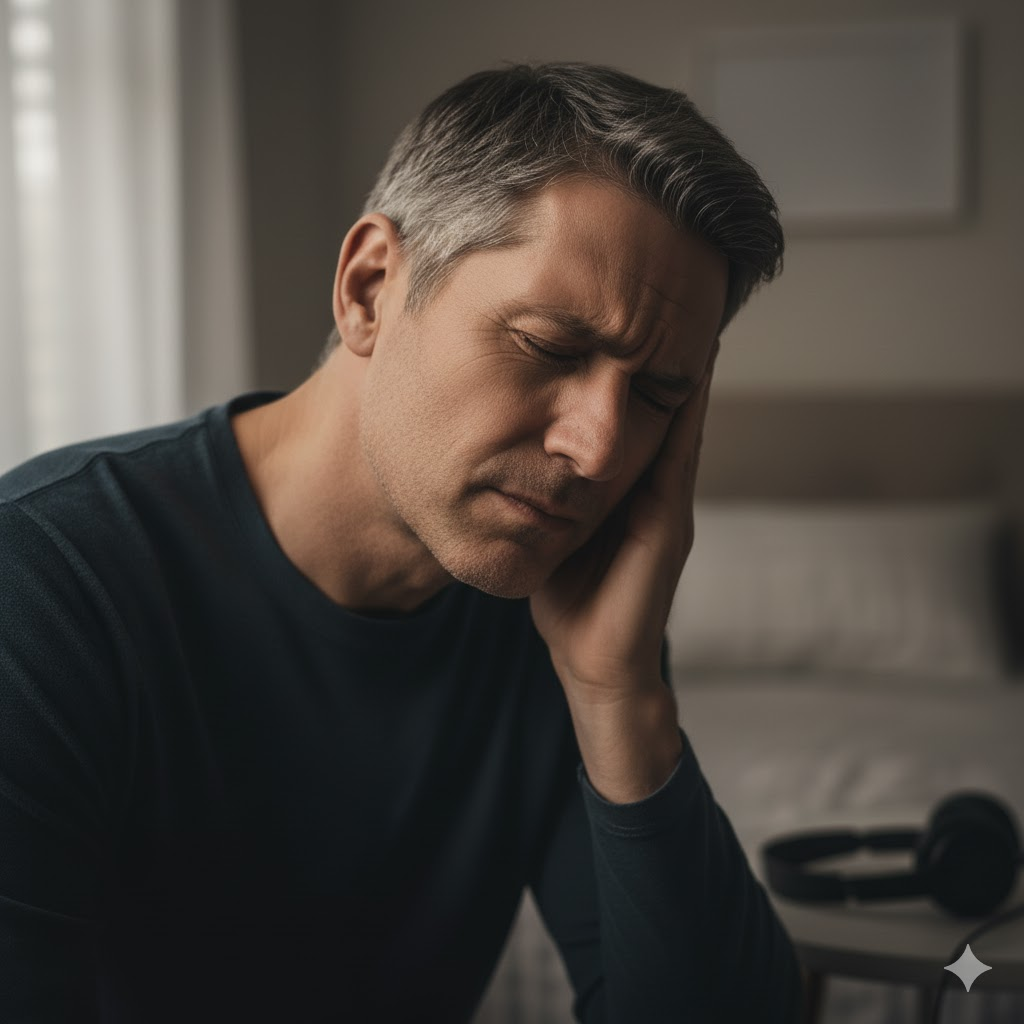
    Tinnitus is the perception of a sound without an external source, and it can be connected to several different causes. Meditation — especially mindfulness practices — can support treatment and help reduce the patient’s anxiety toward the symptom.

    We know tinnitus can feel like a true torment for a portion of patients, although in most cases it doesn’t present as a major nuisance, even when it’s noticed in certain situations.

    Either way, it’s important to remember that even when tinnitus doesn’t cause discomfort, it may still be a sign of something related to your health. Since tinnitus is a symptom that appears in various conditions and diseases, it should always be investigated by a physician.

    Among the treatment options available today, in addition to direct medical intervention, complementary approaches can greatly help the patient’s experience with tinnitus — such as CBT (Cognitive Behavioral Therapy), psychiatric therapies, and integrative practices like Yoga and, of course, meditation, which is the focus of this article.

    Want to understand how meditation can help you cope with tinnitus more comfortably? Let’s get into it!

    Does meditation improve tinnitus?

    Since meditation exercises train the mind to improve focus and increase awareness of thoughts and physical sensations, regular practice may help patients develop new ways to deal with the discomfort caused by tinnitus.

    Recent studies show that mindfulness techniques can help control anxiety and stress — factors linked to mood changes that often worsen tinnitus.

    This type of meditation consists of focusing on the present moment or on the breath, while intentionally letting go of distractions, racing thoughts, worries, and fears about future events — a common pattern in more anxious and agitated patients.

    It’s important to understand that meditation will not make tinnitus disappear completely. However, it can help patients better manage stress and anxiety — two major contributors to tinnitus severity and persistence — while improving relaxation and attention control, which benefits overall treatment.

    Even if meditation helps reduce your symptoms, tinnitus may be associated with underlying conditions. So it’s crucial to consult an ENT doctor or a neurotologist to investigate the cause of the symptom properly.

    What is tinnitus?

    Many people believe tinnitus is a disease — but that’s not correct. It is actually a symptom that can accompany many different health conditions. In most patients, there are multiple factors contributing to its onset or worsening.

    Also known as tinnitus, it is a sound with no corresponding external source. It may be noticed in one or both ears, may be constant or intermittent, and may vary in character — ringing, buzzing, whistling, hissing, or even pulsating noises.

    Common factors found in diagnosis include:

    • hearing loss;
    • jaw muscle issues such as TMD (temporomandibular dysfunction);
    • vestibular or neurological problems.

    How to get rid of tinnitus?

    Without identifying the underlying causes of tinnitus, it’s impossible to know whether or not it can be fully eliminated.

    Furthermore, the patient’s experience with tinnitus is highly individual. Treatment approaches can vary significantly not only due to physical causes but also emotional aspects and lifestyle.

    Therefore, the first step when dealing with tinnitus is to seek specialized medical assistance — an otolaryngologist or preferably a neurotologist, an ENT specialist focused on tinnitus and dizziness — to ensure proper diagnostic investigation and appropriate treatment strategies.

    How to improve my relationship with tinnitus?

    Improving your relationship with tinnitus involves adopting strategies that reduce perception of the sound and minimize its impact on daily life — including a healthier lifestyle, proper sleep habits, and activities that promote well-being such as Yoga and meditation.

    Regular meditation helps calm the mind, lower anxiety, and enhance focus — making tinnitus less intrusive and emotionally distressing.

    Maintaining overall health, however, is essential. A balanced diet can also positively influence tinnitus perception. Prefer meals rich in fresh fruits, vegetables, whole grains, and lean proteins — while avoiding excessive caffeine and alcohol.

  • Benign paroxysmal positional vertigo (BPPV): causes, symptoms and treatment

    Benign paroxysmal positional vertigo (BPPV): causes, symptoms and treatment

    Popularly known as “crystal dizziness,” benign paroxysmal positional vertigo (BPPV) is one of the most frequent diagnoses in ENT practices. Its most common symptom is vertigo — short, sudden spinning episodes triggered by head movements such as bending over, lying down, or getting up.

    BPPV is one of the leading causes of dizziness and, fortunately, one of the simplest to diagnose and treat. Still, many people deal with symptoms for long periods, mostly because they postpone seeking medical care.

    Let’s better understand this condition?

What is BPPV?

Benign paroxysmal positional vertigo occurs when tiny crystals inside the inner ear (known as otoconia) detach from their original location and become loose — which is why the condition is commonly called “crystal dizziness.”

These crystals are responsible for detecting linear movements of the head and telling the brain when we’re moving up, down, forward, or backward, even when the body is still — like inside a car or an elevator.

When these crystals are loose, the information sent to the brain becomes incorrect, triggering rotational vertigo — the sensation that the body or surroundings are spinning. Symptoms usually worsen during certain head movements and improve within seconds.

Which doctor should you see?

If you suspect BPPV, you should see an otolaryngologist or an ENT specialized in dizziness and tinnitus.

During the consultation, the doctor will listen to your complaint — usually described as “intense dizziness when getting in or out of bed, changing positions on the pillow, or bending over” — and perform specific tests to confirm BPPV.

If the doctor consulted is not qualified to perform treatment, they will refer you to someone who is.

How is BPPV treated?

BPPV treatment is performed in the clinic, usually immediately after diagnosis.

The doctor will position the patient in different ways to identify the affected ear. These diagnostic tests are known as Dix-Hallpike and Head Roll Test.

Once the affected side is identified, a canalith repositioning maneuver is performed — a guided sequence of head movements that directs the crystals back to their correct location.

Even though it may seem simple, this procedure must only be performed by a qualified doctor. Trying to treat the condition at home without proper guidance is usually ineffective and can worsen symptoms.

BPPV treatment is fast and highly effective — almost all patients fully recover after just one maneuver. So don’t hesitate to see a doctor.

FAQ: frequently asked questions about BPPV

To wrap up, here are some frequently asked questions about BPPV. Check them out!

1. Can BPPV go away on its own?

In some patients, symptoms may resolve spontaneously. However, in most cases, the repositioning maneuver performed in the doctor’s office is necessary for immediate improvement.

2. Can BPPV come back?

Yes. About 35% of patients may experience recurrence from time to time. In any case, the repositioning maneuver remains a simple and effective solution.

3. Why do these crystals become loose?

In some cases, BPPV is triggered by specific events such as head trauma, accidents, or intense rides at amusement parks. However, in most situations, no triggering factor is identified — the crystals simply detach spontaneously.

4. Is BPPV common in older adults?

Yes. Although BPPV can occur at any age, it is particularly common in seniors and may even lead to falls and household accidents due to aging of the structures involved.

5. Are there medications for BPPV?

No medication can treat BPPV — meaning no drug can make the crystals return to their original location. If symptoms don’t improve on their own, the only effective treatment is the repositioning maneuver. Some medications, however, may help relieve discomfort temporarily.

6. What if dizziness doesn’t improve after the maneuver?

A small percentage of patients may require a second maneuver. If symptoms still persist, the doctor must investigate other possible causes triggering the dizziness.

If you suffer from frequent episodes of dizziness, do not delay consulting a specialist. In this case, you should see an otolaryngologist or an otoneurologist — the ENT doctor specializing in dizziness and tinnitus.

  • Hearing aids: how they work, types, indications, and costs

    Hearing aids: how they work, types, indications, and costs

    Hearing aids are essential devices for people with hearing loss, tinnitus, and hyperacusis. Their purchase must be guided by an otolaryngologist or audiologist, and understanding how they work and the available options is also important.

    For people experiencing hearing loss, hearing aids are fundamental for maintaining productivity and quality of life.

    These devices are designed to improve hearing in cases of mild, moderate, or severe loss. Essentially, they capture sound from the environment, amplify it, and transmit it to the ear, helping the user perceive and understand sounds more clearly.

    Despite their apparent simplicity, they feature sophisticated systems developed to not only improve hearing ability, but also the overall quality of life of those dealing with different auditory disorders.

    In this article, I explain how hearing aids work, the different types available on the market, and who they are recommended for. Follow along with me!

    How do hearing aids work?

    Hearing aids are made up of several components and operate in a sophisticated way, aiming to restore hearing ability in those suffering from some degree of hearing loss or associated symptoms, such as tinnitus.

    In these devices, the microphone captures sound vibrations from the surrounding environment, converting them into electrical signals with the help of the amplifier — the component responsible for boosting signal intensity.
    Once amplified, the electrical signals are sent to the receiver, which converts them back into audible sounds, making them not only louder but also clearer and easier to understand for users with limited hearing.

    Most hearing aids are powered by a battery, which provides the necessary energy for continuous operation.

    What are the main types of hearing aids?

    There are several types of hearing aids available, each with specific formats and technologies. Below are the main options on the market today:

    In-the-Ear Hearing Aids (ITE)

    ITE hearing aids are custom-made to fit inside the ear, resembling wireless earbuds — meaning they are visible externally and tend to be larger, which often makes them easier to handle.

    They are recommended for different degrees of hearing loss, from mild to severe.

    Behind-the-Ear Hearing Aids (BTE)

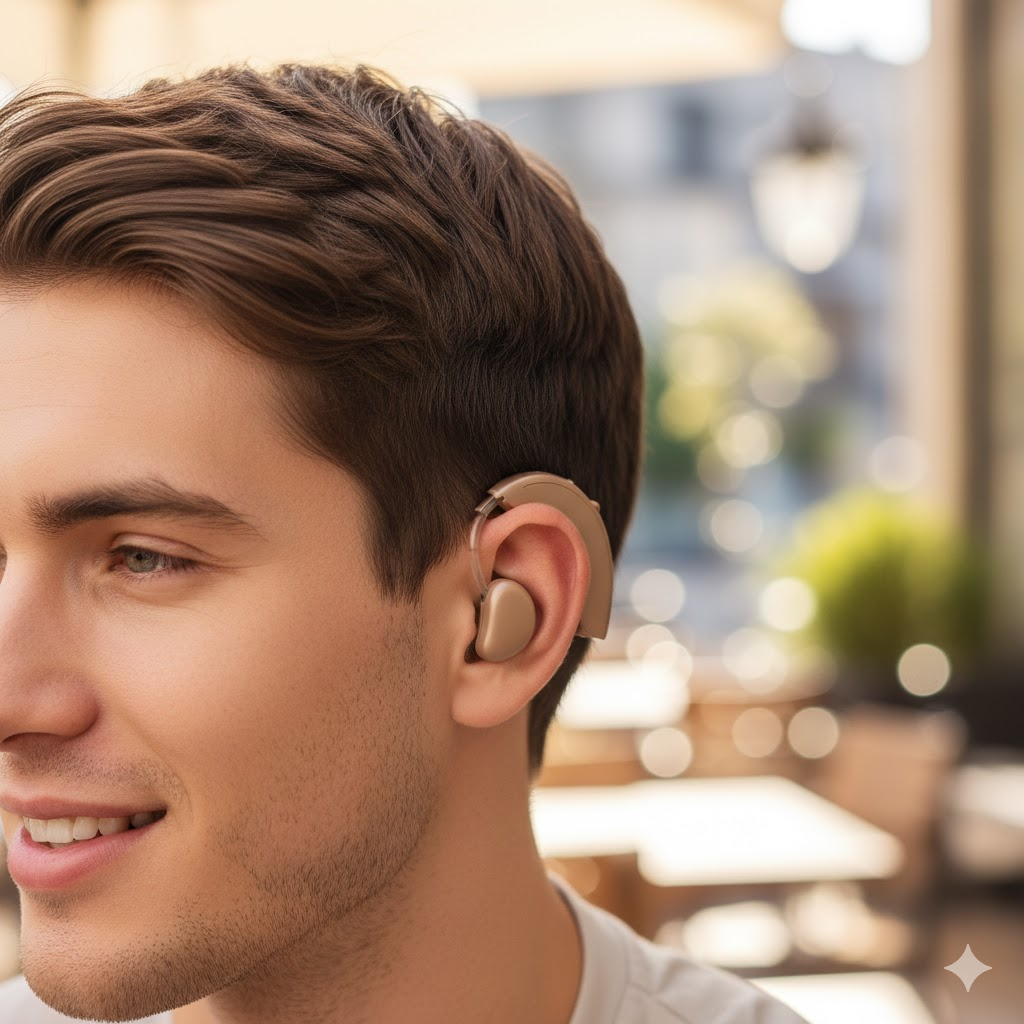
    These are the most well-known models. In BTE devices, the microphone and amplifier sit behind the ear, connected to a custom earmold that fits inside the ear canal.

    They are more discreet than ITE devices and suitable for mild, moderate, and severe hearing loss.

    In-the-Canal Hearing Aids (ITC)

    Similar in shape to ITE models, but smaller.
    ITCs fit partially inside the ear canal, making them less visible and more discreet.

    They are recommended for mild to moderate hearing loss and offer a balance between visibility and performance.

    Completely-in-Canal Hearing Aids (CIC)

    CIC models are the most discreet ones — they sit completely inside the ear canal and are almost invisible.

    Like ITCs, they are suitable for mild to moderate hearing loss and can provide a more natural hearing experience due to their close proximity to the eardrum.

    Who should use hearing aids?

    While hearing aids are particularly recommended for moderate to severe hearing loss, they benefit a wide range of cases, including mild loss and other auditory alterations.

    For people with tinnitus — the perception of sound without an external source — hearing aids help not only by correcting hearing loss but also by reducing tinnitus perception, increasing everyday comfort.

    They are also valuable in sound therapy, often used for individuals with increased sensitivity to moderate-intensity sounds, a condition known as hyperacusis.

    What should you know before buying a hearing aid?

    First and foremost: different technologies and models have specific applications, and the devices require personalized adjustments.
    Therefore, hearing aids must only be purchased under the recommendation of an otolaryngologist after proper medical evaluation.

    It is also important to test the device before buying it. Most specialized stores offer a trial period.

    You can also seek advice from people who already use hearing aids — especially those who have tried different models. Hearing from others can boost confidence, ease adaptation, and help break stigmas — wearing a device should never be a source of embarrassment.

    Keep in mind that this technology evolves constantly — newer models usually provide better features and performance. You may want to upgrade over time.

    How much does a hearing aid cost?

    Prices can vary considerably depending on factors such as model, technology level, additional features, brand, and where you purchase it.

    In Brazil, it’s important to recognize that hearing aids can represent a significant investment. Additionally, they require maintenance, technical support, and follow-up from healthcare professionals.

    However, Brazil’s Unified Health System (SUS) provides hearing aids free of charge through its hearing health program. Visit a public health unit in your region to check the requirements to join the waiting list.

    To conclude: buying a hearing aid should never be done freely or without proper guidance. A specialist — otolaryngologist, otoneurologist, and audiologist — must evaluate the patient and prescribe the correct model and technology.

  • Dizziness and anemia: how they’re connected and when to seek help

    Dizziness and anemia: how they’re connected and when to seek help

    Dizziness and anemia often go hand in hand, since reduced oxygen levels in the blood — a typical feature of anemia — can lead to this symptom. However, this relationship must be properly investigated, because dizziness has many other possible causes, and anemia usually presents with various additional symptoms.

    You’ve probably heard someone say that dizziness could be a sign of anemia — and that’s true. Alongside fatigue and paleness, dizziness can indeed indicate low red blood cell levels.

    In this case, dizziness results from reduced oxygen concentration in the blood and can be dangerous when acute, increasing the risk of falls and other accidents.

    But be careful: dizziness is not always caused by anemia. It is a very common symptom linked to numerous health conditions that deserve proper attention.

    In this article, I’ll explain how and why anemia can cause dizziness, which other symptoms are associated, and when it’s time to seek medical help.

    What is anemia?

    Anemia is a multifactorial condition that affects the function of hemoglobin — one of the most important membrane proteins in red blood cells. Hemoglobin captures oxygen molecules from breathing and transports them to every cell in the body.

    All human cells need oxygen to produce energy. In anemia, hemoglobin’s ability to carry oxygen decreases, reducing overall blood oxygenation and preventing cells from generating energy properly.

    But this impairment is not always caused by nutritional deficiencies or disease. Since hemoglobin exists inside red blood cells, anemia can also result from a shortage of these cells — such as in cases of prolonged or heavy bleeding.

    Do people with anemia feel dizzy?

    Not every patient with anemia experiences dizziness — but many do. Due to weakness and general instability, dizziness is a frequent complaint.

    Other typical symptoms include:

    • fatigue, due to low energy availability;
    • pale skin and mucous membranes (since hemoglobin contains iron, responsible for blood’s red color);
    • general discomfort;
    • shortness of breath;
    • poor concentration;
    • sleepiness;
    • tachycardia.

    As mentioned before, anemia is not always linked to an inadequate or iron-poor diet. Many medical conditions can contribute to its development.

    Anemia may be caused by:

    • kidney disease;
    • cancer;
    • other nutritional deficiencies (like vitamin B12 or folic acid);
    • blood loss (due to trauma or surgery);
    • genetic conditions such as thalassemia and sickle cell disease.

    What is dizziness?

    Whether anemia-related or not, dizziness can be a very uncomfortable symptom. It may cause a sensation of instability, imbalance, or an unpleasant lightheaded feeling.

    A common description among patients is a feeling of impending fainting — as if consciousness may be lost and they are about to fall. It can also manifest as wooziness that affects balance while walking or standing.

    Dizziness may be occasional — such as when standing up too quickly — and may also occur in dehydration or hypoglycemia.

    However, when dizziness is frequent or persistent, it may be related to more complex conditions, including:

    • inner ear disorders;
    • neurological conditions;
    • cardiovascular issues;
    • medication side effects;
    • anxiety.

    Beyond signaling a potential health condition such as anemia, dizziness increases the risk of falls — especially dangerous for older adults.

    Doctor, could my dizziness be anemia?

    Because the cultural association between poor diet, anemia, and dizziness is strong, it’s understandable to suspect anemia when these signs appear together.

    However, the diagnosis is confirmed only through laboratory tests that identify reduced red blood cell levels or impaired hemoglobin function.

    A complete blood count (CBC) is the main tool to detect anemia, often accompanied by additional blood tests such as iron levels, ferritin, transferrin, and vitamin B12 — and even stool tests when necessary.

    Early diagnosis and proper treatment are essential, since anemia can affect quality of life and gradually harm other organs, leading to weakened immunity, weight loss, and cellular damage throughout the body.

  • Tinnitus in one ear only: what it means and when to seek help

    Tinnitus in one ear only: what it means and when to seek help

    Tinnitus can affect one or both ears, and its intensity may be the same or different on each side. When it occurs in only one ear, healthcare professionals investigate infections, chronic conditions where this pattern is common, as well as hearing loss, which can happen unevenly between ears.

    Tinnitus is the perception of sound without any external source. It may present in many forms — from a soft noise to a more intense and distressing sound — and can affect one ear or both.

    It is common to find supposed “miracle cures” that promise quick and effective results. However, these solutions lack scientific evidence and may even worsen the condition or cause additional problems.

    The best approach is always to seek medical evaluation to identify the underlying causes and set up a safe and effective treatment plan tailored to each patient’s needs.

    Want to understand the difference between unilateral and bilateral tinnitus? Let’s dive in!

    What causes tinnitus in the left or right ear?

    As mentioned earlier, tinnitus is the perception of sound without an external source, and it may manifest in one ear (unilateral) or both (bilateral).

    Even when a patient reports tinnitus only in the left or right ear, a proper assessment is essential. Often the sound is actually present in both ears, but louder on one side, making it noticeable only there.

    In general, tinnitus may be caused by a variety of factors, such as:

    • hearing loss (caused by ear conditions, ototoxic substances, or loud noise exposure);
    • muscular or joint dysfunctions (such as Temporomandibular Disorder — TMD);
    • tumors (in auditory pathways or brain structures);
    • metabolic changes (like hypothyroidism or diabetes);
    • medications.

    Unilateral tinnitus isn’t always serious, but its underlying causes must be investigated. Some chronic conditions — including Ménière’s disease — may affect just one ear or affect one side more severely.

    Tinnitus characteristics and intensity may vary greatly from one person to another.

    What does your tinnitus sound like?

    Tinnitus may be perceived in one or both ears — though many patients describe it as a sound inside their head — and its frequency may vary (continuous or intermittent). The loudness may remain stable or fluctuate over time.

    In some cases, tinnitus may sound like a pulsing noise. Most commonly, it resembles a ringing, buzzing, hissing, flowing water, engine noise, or pressure cooker steam — among many other descriptions.

    The more detailed the patient’s description, the easier it is to identify potential causes and related factors contributing to the symptom.

    Are there other symptoms involved?

    It’s common for tinnitus to be accompanied by additional symptoms, which provide important clues for diagnosis and treatment planning.

    Symptoms that warrant attention include:

    • hearing difficulties;
    • feeling of ear fullness;
    • headache;
    • dizziness;
    • fever;
    • ear pain or discharge.

    Tinnitus can also trigger or worsen emotional conditions such as anxiety and stress, as well as sleep disturbances like insomnia.

    A very common condition in tinnitus patients is hyperacusis, which is an intolerance to moderate sounds — noises that are otherwise well tolerated by most people.

    How to treat tinnitus?

    It is important to understand that complete remission is not always possible, especially when hearing loss is involved. However, effective strategies exist to help manage tinnitus and improve quality of life.

    The first — and most essential — step is to consult an otolaryngologist, preferably a neurotologist, the specialist best prepared to diagnose and treat tinnitus-related disorders.

    During evaluations, we perform a full examination to identify underlying causes and request complementary tests when needed. From there, we build a personalized, often multidisciplinary treatment plan.

    Treatment options may include:

    • sound therapy (especially useful when insomnia is involved);
    • hearing aids (when hearing loss is present);
    • medication;
    • physical therapy;
    • in rarer cases, surgical procedures.

    Therapeutic and psychiatric support may also be involved to help patients cope with stress and anxiety triggered or worsened by tinnitus.

    Medications may be used to treat conditions related to tinnitus, such as anxiety or sleep issues — but there is no single specific drug that cures tinnitus.

    If you suffer from tinnitus in one or both ears, never self-medicate, even with “natural” products. They may be ineffective or even harmful.

  • Dizziness during menopause: why it happens and how to relieve it

    Dizziness during menopause: why it happens and how to relieve it

    Dizziness is a common symptom during the climacteric and doesn’t always suggest a health issue. However, when dizziness becomes persistent and is accompanied by other symptoms such as tinnitus, it deserves attention.

    Along with the typical menopause symptoms, dizziness can be an uncomfortable companion, appearing in recurring episodes of vertigo, which may or may not come together with ringing in the ears.

    In most cases, menopause symptoms originate from the drop in estrogen production during this stage — when the woman’s ovarian reserve (all the eggs she will have available throughout life) is running low.

    Although estrogens are best known for their role in the menstrual cycle and fertility, this group of hormones interacts directly and indirectly with several systems in the body, including temperature regulation, hydration, and emotional balance.

    In this article, I’ll explain what we currently know about the connection between dizziness and menopause. Let’s dive in!

    Is it normal to feel dizzy during the climacteric phase?

    The climacteric — the period leading up to menopause itself — can be a time of physical and emotional fluctuations, sometimes quite disruptive. Hot flashes may be the most well-known symptom of this stage, but women may also experience irritability, insomnia, and changes in how the body stores fat.

    Dizziness refers to any sensation of altered perception between your body and the environment, such as imbalance, instability, or feeling like your head is heavy or floating.

    It is important to remember that dizziness is not a disease in itself, but a symptom that can indicate various conditions, serious or not. And it is worth distinguishing two key variations:

    • vertigo: a false sense of motion, such as seeing the environment spinning or feeling like you are moving even when still (common in vestibular disorders);
    • non-vertiginous dizziness: no spinning sensation, but an uncomfortable feeling of instability or imbalance.

    Some patients may also experience tinnitus and nausea, with or without vomiting.

    Why does dizziness happen in menopause?

    Even though dizziness is very common among women going through perimenopause, clinical studies have not yet confirmed exactly why this happens.

    Some preclinical studies suggest that recurrent dizziness episodes are more common in women aged 40 to 49 than in men, but more research is needed to validate and understand this pattern.

    Overall, dizziness-related conditions such as BPPV and Vestibular Migraine are more frequent during this period in both sexes. Therefore, we cannot state that menopause alone is the cause.

    How to prevent and ease menopause-related dizziness?

    Before adopting any strategy to reduce discomfort, it’s essential to seek medical guidance — especially because regular healthcare follow-up during menopause greatly improves a woman’s quality of life.

    Still, a few lifestyle adjustments can help reduce dizziness:

    • stay properly hydrated;
    • eat a balanced diet rich in nutrients and low in processed or sugary foods;
    • keep a regular physical activity routine;
    • include enjoyable activities in your week to reduce stress;
    • stand up slowly to avoid sudden drops in blood pressure.

    These simple actions can prevent episodes and help with overall well-being.

    When should you see a doctor?

    Although dizziness can be normal during this hormonal transition, certain signs may indicate an underlying issue.

    Dizziness is no longer considered “expected” when it:

    • happens frequently;
    • is intense or persistent;
    • comes with symptoms like hearing loss, tinnitus, or headaches.

    During the climacteric and menopause, gynecologists and endocrinologists usually monitor women’s health and may refer them to an ENT or neurotologist (ENT specialized in dizziness and tinnitus) when necessary.

    More severe associated symptoms — such as palpitations, blurred vision, speech difficulty, muscle weakness, or fainting — require urgent medical attention, ok?

  • Does chocolate make tinnitus worse? Causes, triggers and how to enjoy it safely

    Does chocolate make tinnitus worse? Causes, triggers and how to enjoy it safely

    Eating too much chocolate can worsen tinnitus in people who already experience the symptom — mainly due to the caffeine and sugar often found in chocolate products. Balanced consumption and healthier alternatives can help prevent discomfort.

    Chocolate is one of the most popular foods in the world. Whether used in desserts or eaten on its own, it is widely associated with pleasure and indulgence — and is a familiar companion during stressful moments or PMS.

    However, chocolate also has a reputation for side effects such as weight gain and acne. Many people additionally report a noticeable increase in tinnitus — defined as the perception of noise in the absence of an external sound source.

    Tinnitus has several causes, from simple issues like impacted earwax to disorders in the middle or inner ear. In most cases, excessive intake of certain substances can indeed intensify symptoms.

    But why exactly does chocolate make tinnitus worse? In this article, you will understand how the inner ear works and why chocolate — and other foods — can aggravate tinnitus in some patients. Keep reading to learn more!

    Does chocolate cause tinnitus?

    Chocolate alone does not directly cause tinnitus. However, components found in chocolate can aggravate the condition.

    The key culprits: caffeine and sugar

    Most chocolate products today are not just made from cocoa — which already contains high levels of caffeine — but also contain large amounts of added sugar, now often highlighted in nutritional labels.

    To understand how this affects tinnitus, we must consider how the auditory system works.

    When a sound is produced, the external ear captures the sound waves and directs them to the eardrum — a diaphragm-like membrane that vibrates according to each acoustic stimulus.

    These vibrations are transmitted to the ossicles (malleus, incus, and stapes), which move the fluid inside the inner ear (perilymph).

    This fluid movement activates the basilar membrane in the cochlea, where the organ of Corti converts mechanical energy into electrical signals. These signals travel through the auditory nerve to the brain, where sound and balance information is processed.

    Even when there is no external sound source, the inner ear maintains an electrochemical potential generated by the stria vascularis — which requires a constant supply of energy, mainly from glucose.

    Because of this high metabolic demand, the inner ear is very sensitive to fluctuations in blood sugar and oxygen levels.

    Why do sugar and caffeine worsen tinnitus?

    Sugar serves as a quick source of energy, but excessive consumption may cause several health issues:

    • weight gain;
    • blood sugar spikes;
    • increased cravings for sweets;
    • risk of diabetes and metabolic imbalance.

    Blood sugar spikes trigger insulin release. Chronic insulin elevation can alter how the inner ear functions, potentially causing:

    • ear fullness;
    • mild hearing reduction;
    • dizziness.

    Caffeine, when consumed excessively, may lead to:

    • nervousness;
    • tremors;
    • anxiety;
    • palpitations.

    Tinnitus often involves overactive auditory pathways in the brain. Therefore:

    Too much caffeine can overstimulate these already dysregulated areas, worsening tinnitus.

    Can people with tinnitus eat chocolate?

    In general, excessive intake of sugary foods is not recommended — especially for individuals with tinnitus.

    But that doesn’t mean you must eliminate chocolate completely.

    The recommendation is:

    • consume chocolate in moderation;
    • prefer small amounts and less frequently.

    Coffee and other caffeine-rich foods should also be limited — but not necessarily eliminated.

    A practical guideline: 2–3 cups of coffee per day is usually acceptable for most tinnitus patients.

    How to prevent tinnitus — without giving up chocolate?

    There are smart ways to enjoy chocolate more safely:

    • pair chocolate with fruit-based desserts (more fruit than chocolate);
    • choose products with higher cocoa content and less sugar and fat;
    • experiment with healthier swaps such as carob, a naturally sweet, low-fat, caffeine-free alternative with a flavor similar to cocoa.
  • Dizziness after drinking alcohol: causes, risks, warning signs and how to improve it

    Dizziness after drinking alcohol: causes, risks, warning signs and how to improve it

    Dizziness after consuming alcohol is common, but when it persists, it may indicate important underlying health issues. It also affects coordination and increases the risk of falls and accidents.

    Although reactions to alcohol vary from person to person — and depending on the alcohol content of each beverage — the classic symptoms are well known. Beyond dizziness, there may be double vision, disinhibition, and reduced motor precision (the typical “wobbly walk”).

    Each symptom is linked to specific changes in the body, especially in the nervous system, but also in the digestive, excretory and vestibular systems — as is the case with dizziness, the topic of this article.

    In the sections below, I explain how alcohol acts in the body, why it alters perception and balance, and what to do when dizziness persists even after you stop drinking. I also share tips to help prevent and manage this type of symptom.

    What happens in the body when we consume alcohol?

    Alcohol is a substance that is simultaneously lipid-soluble (dissolves in fat), water-soluble (dissolves in water), and psychoactive. What does this mean in practice?

    When we drink, a large portion of the alcohol is absorbed in the stomach — entering the bloodstream and quickly reaching the central nervous system. A smaller portion dissolves in the fats and carbohydrates of the food being digested and proceeds to the intestines without significant effects.

    The alcohol that reaches the brain interferes with key regions, including:

    • neurohypophysis: controls hormone release, including ADH (antidiuretic hormone), produced by the hypothalamus, responsible for regulating urination;
    • prefrontal cortex: essential for judgment and decision-making — its inhibition leads to disinhibition and impulsive behavior;
    • hippocampus: stores conscious memories (like last night’s party);
    • cerebellum: responsible for motor coordination, balance and spatial awareness.

    These neurological effects happen rapidly. Meanwhile, alcohol continues through the bloodstream to the liver, where it is metabolized into other substances that are eventually excreted in urine.

    Why does excessive alcohol consumption cause dizziness?

    Dizziness — whether experienced as imbalance, instability, or true vertigo (the sensation that the environment is spinning) — is related to both dehydration and changes in brain function triggered by alcohol.

    By inhibiting ADH release in the pituitary gland, alcohol reduces the body’s ability to concentrate urine and reabsorb water, leading to dehydration. This explains the increased thirst during and after drinking and the urge to urinate more frequently and in larger volumes.

    Another result of dehydration is a change in the density of bodily fluids — including endolymph, the fluid that fills the labyrinth and cochlea in the inner ear, responsible for balance and hearing.

    Endolymph helps the vestibular organs detect head movement and body position. When it becomes denser, the precision and speed of this communication are affected — contributing to vertigo.

    Additionally, alcohol depresses the activity of the cerebellum, compromising balance and coordination.

    Does alcohol harm the ears?

    Substances capable of damaging hearing and balance functions — directly or indirectly — are called ototoxic. Chemotherapy drugs and antimalarials are classic examples.

    Some studies have compared hearing tests between individuals with heavy alcohol consumption and those who consume moderately or not at all. Findings suggest that heavy drinkers may show more vestibular and auditory alterations.

    However, this relationship remains controversial, and more research is needed to clarify the exact effects of alcohol on the vestibular system.

    Still, excessive alcohol consumption is discouraged, especially for people who already suffer from dizziness and tinnitus — as they may be more sensitive to these vestibular alterations even with occasional drinking.

    How to improve alcohol-induced dizziness?

    When it comes to relieving or preventing dizziness caused by alcohol, hydration and food intake are essential.

    Since alcohol promotes dehydration by interfering with ADH, drinking water throughout the consumption period helps maintain fluid balance. Alternating between alcoholic and non-alcoholic beverages during drinking is a useful strategy.

    Eating before drinking is equally important, as food slows alcohol absorption in the stomach.

    Even after overconsumption, during a hangover, water intake and nutrient-rich meals can help accelerate recovery and reduce dizziness.

    Warning signs: when should you seek medical attention?

    In people without a history of dizziness, alcohol-related imbalance should subside within a few hours after drinking stops. Duration may vary depending on the amount consumed and individual tolerance.

    But if dizziness persists, an underlying condition may have been triggered or unmasked by alcohol use. The same applies to tinnitus — if it continues after the hangover passes, it should be assessed by a physician.

    Even when temporary, dizziness significantly increases the risk of falls and accidents. Drinking responsibly is crucial — and parties and celebrations require additional care, including one that is rarely discussed: hearing protection.

  • Vestibular rehabilitation therapy: how it helps improve balance and reduce dizziness

    Vestibular rehabilitation therapy: how it helps improve balance and reduce dizziness

    Vestibular rehabilitation therapy is a set of exercises and techniques designed to improve balance and coordination, especially in dysfunctions and disorders that cause dizziness. This treatment can be performed by otolaryngologists, audiologists, and specialized physical therapists.

    Dizziness is a symptom associated with several medical conditions in which sensory balance is impaired, leading to sensations such as spinning (vertigo), falling, blurred vision, or unsteadiness.

    In general terms, sensory balance is the ability to maintain stable posture and body orientation, relying on muscle control and a complex interaction between sensory organs and the brain.

    This is where vestibular rehabilitation therapy comes in — a series of guided exercises to improve the function of vestibular system structures and, consequently, enhance the patient’s balance.

    In this article, I explain in detail how this type of therapy works, its purpose, indications, and the benefits it offers for treating balance-related conditions.

    What is vestibular rehabilitation therapy?

    Vestibular rehabilitation therapy consists of exercises and practices that aim to improve the function and communication among the structures of the vestibular system by stimulating its “plasticity” — its ability to adapt to specific and repeated stimuli and compensate for lost functions to achieve recovery.

    It is important to highlight that this therapy is completely different from repositioning maneuvers used to treat BPPV (Benign Paroxysmal Positional Vertigo).

    Repositioning maneuvers — such as the Epley maneuver — are performed only by ENT doctors in the clinic, and most patients improve with a single session.

    Vestibular rehabilitation therapy has a physiotherapeutic approach and involves a routine of exercises aimed at stimulating and enhancing vestibular functions.

    What is the vestibular system and how does it influence balance?

    The vestibular system is composed of different structures. Among them is the labyrinth, located in the inner ear and formed by three main parts: the semicircular canals, the saccule, and the utricle. It also includes the vestibular nerve — responsible for sending information to the central nervous system — and brain structures such as the brainstem.

    The semicircular canals are three fluid-filled tubes (endolymph) arranged in different spatial planes, while the saccule and utricle are sensory structures containing tiny calcium carbonate crystals (otoliths).

    Through these crystals and fluid movements, sensory cells detect body accelerations and changes in head position relative to gravity and convert them into nerve impulses. These impulses travel through the vestibular nerve to the brainstem and cerebellum, where they are processed and coordinated to generate appropriate motor responses.

    Vestibular rehabilitation therapy can be recommended for a wide range of conditions, especially those affecting the structures or functions responsible for balance — such as the labyrinth or cerebellum in the brain.

    Examples include:

    • vestibular neuritis (inflammation of the vestibular nerve) with persistent symptoms after infection;
    • labyrinthitis with residual imbalance;
    • patients who have suffered a stroke affecting balance-related brain structures.

    In such cases, patients may experience persistent severe dizziness, instability, and difficulty performing daily activities even after treating the main cause — requiring a rehabilitation approach.

    The indication for vestibular rehabilitation therapy must always be made by otolaryngologists or neurotologists — the only professionals qualified to assess diagnostic results and personalize therapy protocols according to each patient’s vestibular dysfunction.

    Can vestibular rehabilitation therapy help with tinnitus?

    Because vestibular rehabilitation therapy focuses on disorders of the vestibular system — aiming to restore balance and spatial orientation — it is not primarily indicated for tinnitus treatment.

    However, due to the close relationship between structures of the inner ear, tinnitus may occur in conditions where dizziness is also present.

    Thus, although prescribed mainly to treat dizziness, vestibular rehabilitation therapy may produce indirect positive effects on tinnitus by improving overall vestibular and inner ear function.

    Additionally, by restoring balance and reducing the instability associated with vestibular disorders, the therapy can also decrease stress and anxiety — factors known to worsen the perception of tinnitus.

    How is vestibular rehabilitation therapy performed?

    Vestibular rehabilitation therapy is carried out after a detailed evaluation of the patient’s symptoms, medical history, physical examination, and specific vestibular tests.

    Based on this evaluation, a personalized treatment plan is developed, combining different exercises and techniques.

    Common components include:

    • gaze stabilization exercises: keeping the eyes fixed on a stationary target while moving the head, improving visual performance during motion;
    • balance training exercises: challenging the patient’s balance in controlled environments to enhance everyday stability;
    • habituation exercises: involving repeated exposure to movements or positions that trigger vestibular symptoms, such as sitting up and standing repeatedly (over time, this reduces both the frequency and intensity of symptoms).

    Vestibular rehabilitation therapy is essential — when properly indicated — for treating dizziness-causing dysfunctions. It must always be performed by specialized professionals, who can adequately stimulate the vestibular system and rehabilitate sensory and motor functions.

    With detailed assessments and customized exercises, this therapy offers a comprehensive approach to improving the quality of life of patients who suffer from dizziness.

  • Earwax removal: why you should never use cotton swabs inside your ears

    Earwax removal: why you should never use cotton swabs inside your ears

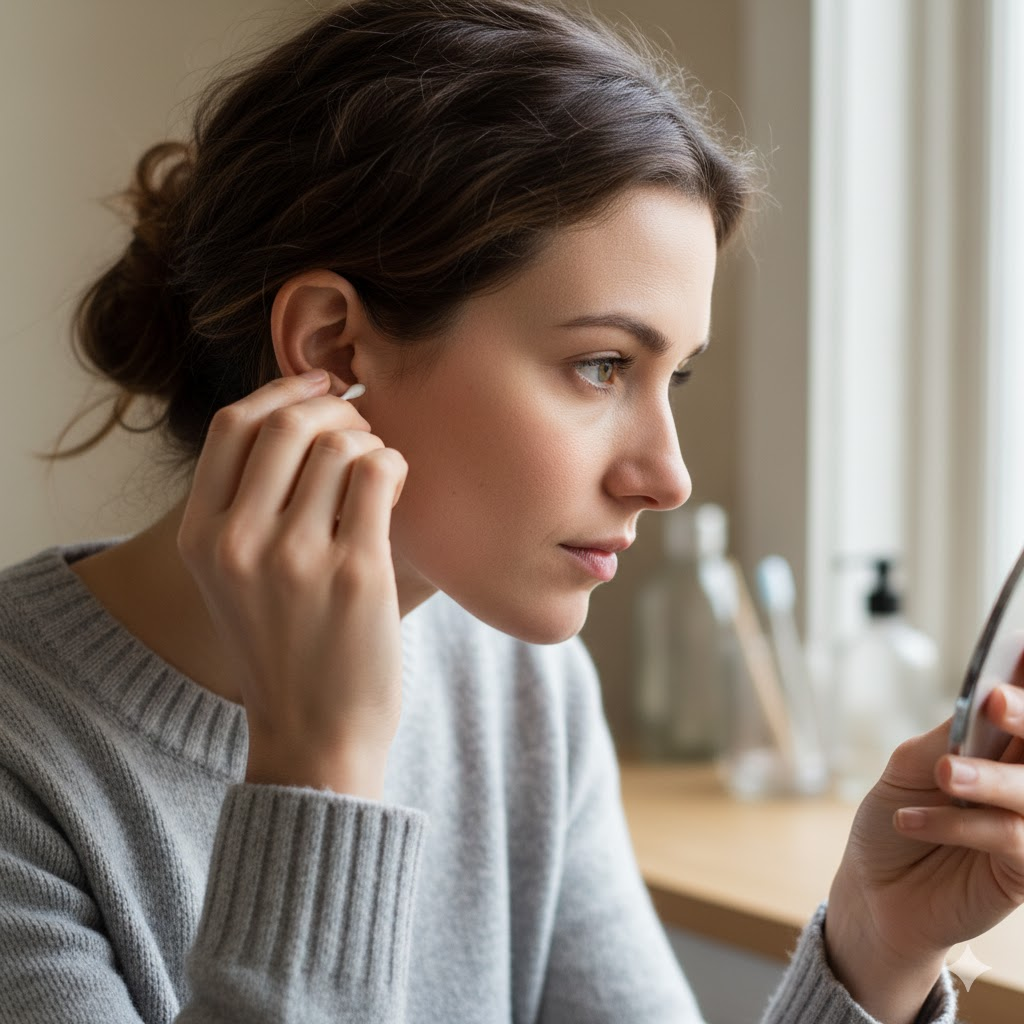
    Cleaning the inside of your ears with cotton swabs is not recommended. This habit can lead to serious consequences for ear health, including infections and even hearing loss due to the risk of eardrum injuries.

    For many people, cotton swabs are a long-time companion of post-shower routines, used to remove moisture and give that “extra” cleaning touch. However, even though it may provide a sensation of relief, this practice is not recommended by otolaryngologists.

    Earwax — also called cerumen — is a substance produced by the ceruminous and sebaceous glands in the outer ear. It is mainly composed of fatty acids and also contains shed skin cells.

    Thanks to its composition, the primary function of earwax is to protect the ears from water entry, foreign particles, and the growth of pathogenic microorganisms inside the external auditory canal.

    Some people produce more earwax than usual, and in certain situations, earwax may become more noticeable and create a feeling of clogged ears — especially after swimming or frequent exposure to seawater.

    In these cases, moisture can soften the earwax slightly and create that familiar sensation of water trapped inside the ears — a feeling that many people also try to resolve with a cotton swab.

    But do you know why cotton swabs are not recommended for cleaning your ears? Keep reading and I’ll explain everything in detail.

    Why shouldn’t you use cotton swabs?

    As mentioned earlier, earwax is a waxy substance mainly composed of fatty acids (which give it a slightly sticky texture) and has a mildly acidic pH, creating an unfavorable environment for microorganism growth.

    Earwax lines the portion of the ear canal exposed to the environment. The sticky texture traps particles, preventing them from entering the ear; the acidic pH inhibits infections; and the wax coating protects the skin from dehydration.

    It’s also important to know that earwax is produced only in the outermost portion of the ear canal. The deeper regions do not produce wax.

    Even if you feel you are removing earwax — especially because some appears on the cotton swab — you are actually pushing this protective layer further inward, closer to the eardrum.

    So, if earwax functions as a protective barrier or filter, pushing it deeper into the ear is the opposite of what should happen.

    What are the risks of using cotton swabs?

    Cotton swabs can be useful for cleaning the outer ear only. Their shape helps remove dirt from the folds of the ear. However, they should be kept away from your ear canal.

    The main risks of cotton swabs include:

    • impacted earwax (harder to remove later)
    • infections
    • skin injuries
    • damage to the eardrum

    Impacted cerumen occurs when earwax is repeatedly pushed toward the eardrum. This can form blockages that impair hearing and increase discomfort, requiring professional removal by an ENT doctor.

    Additionally, the skin inside the ear canal is sensitive, and friction from the swab can cause small injuries — a direct gateway for serious infections.

    How to know if the ear was injured or if there is disease?

    Significant ear injuries usually trigger immediate pain — this is the main warning sign. Persistent ear pain (lasting beyond a few minutes) raises the likelihood of injury. You should also watch for any blood coming from the ear after using cotton swabs.

    However, not all injuries are visible or painful. Even tiny micro-lesions can allow infections to develop.

    Ear canal blockage can also affect hearing and cause symptoms like tinnitus — the perception of sounds without an external source.

    What is the correct way to clean the ears?

    Daily hygiene should be done with a towel, cleaning the outer ear and its folds, including the concha — the entrance of the ear, which is roughly the size of the tip of a towel-wrapped finger.

    That natural proportion establishes the ideal limit of how far you should clean: only where your finger can comfortably reach — no deeper.

    If you experience symptoms like hearing loss, tinnitus or a feeling of blocked ear, consult an otolaryngologist or a neurotologist. They can diagnose the cause and, if necessary, safely perform ear cleaning.