
Category: Blog

Your blog category

What is BPPV?

Benign Paroxysmal Positional Vertigo occurs when tiny “crystals” inside the inner ear detach from their original location and become loose. This explains the popular nickname “crystal dizziness.”

These crystals—called otoconia—detect linear head movements and tell the brain when we are moving up or down, forward or backward, even when the body is stationary, such as inside a vehicle or elevator.

When the crystals become loose, the signals sent to the brain are distorted, causing rotational vertigo—the sensation that your body or the environment is spinning. The symptom is triggered by specific head movements and usually improves within seconds.

Which doctor should you see?

For BPPV, you should consult an ENT specialist or an ENT doctor focused on dizziness and tinnitus.

During the appointment, the doctor will listen to your symptoms—often described as “intense dizziness when getting out of bed, lying down, turning on the pillow, or bending over”—and will perform specific tests to confirm BPPV.

If the doctor is not trained to perform the treatment, they will refer you to a specialist who is.

If you are experiencing symptoms of BPPV, seek an ENT specialist near you for proper evaluation and treatment.

How is BPPV treated?

BPPV is treated directly in the clinic, usually right after diagnosis.

The doctor will guide the patient through specific head and body positions to identify which ear is affected. These diagnostic tests are known as the Dix-Hallpike test and the Head Roll test.

Once the affected canal is identified, the physician performs a repositioning maneuver, which moves the patient’s head through a sequence of positions designed to guide the crystals back to where they belong.

Although it may look simple, this procedure must be performed by a qualified physician. Attempting to do it at home without proper training is often ineffective and can make symptoms worse.

BPPV treatment is quick and highly effective. Most patients experience full resolution after just one maneuver. So do not delay seeking medical care.

Common questions about BPPV

To wrap up, here are some frequently asked questions about BPPV.

1. Can BPPV resolve on its own?

In some patients, symptoms may disappear spontaneously. However, most people will need a repositioning maneuver for immediate relief.

2. Can BPPV come back?

Yes. Around 35% of patients may experience recurrences over time. In all cases, repositioning maneuvers remain the most effective treatment.

3. Why do the crystals become loose?

In some people, BPPV follows head trauma, sudden movements, or intense amusement park rides. But in most cases, no specific cause is identified.

4. Is BPPV common in older adults?

Yes. BPPV can occur at any age but is especially common among older adults and may contribute to falls. Degeneration of inner-ear structures is one possible explanation.

5. Are there medications for BPPV?

No medication can reposition the crystals. When symptoms don’t resolve spontaneously, the repositioning maneuver is the only effective treatment. Some medications may help reduce discomfort.

6. What if the maneuver doesn’t work?

A small percentage of patients may need a second maneuver. If symptoms persist, the doctor will investigate other causes of dizziness.

In conclusion, if you experience frequent dizziness, seek medical evaluation as soon as possible. Look for an ENT specialist or otoneurologist—professionals trained to diagnose and treat dizziness and tinnitus.


  • 9 myths about labyrinthitis and dizziness explained clearly

    9 myths about labyrinthitis and dizziness explained clearly

    Are dizziness and labyrinthitis the same? Is it normal in old age? Can it cause hearing loss? Can it be fatal? Understand what’s truth and myth!

    Labyrinthitis is far more famous than it is common—and this happens mostly due to confusion and misinformation. Online content and media coverage often mix concepts, which leads to myths and misunderstandings about this condition.

    In this article, I clarify the most frequent misconceptions about labyrinthitis and share important information about symptoms, care and treatment. Check it out!

    1. Labyrinthitis and dizziness are the same thing

    Myth! Labyrinthitis and dizziness are not the same.
    Labyrinthitis is an infection or inflammation of the labyrinth—the inner-ear structure responsible for balance and hearing. It causes several symptoms, including dizziness, but also hearing loss, tinnitus and nystagmus (involuntary eye movements).

    This means dizziness is just a symptom, and it can be linked to many different conditions—not only labyrinthitis. In other words: labyrinthitis is an infectious or inflammatory disease that may cause dizziness, but dizziness itself has multiple possible origins.

    2. Labyrinthitis is the main cause of dizziness

    Myth! Although dizziness is a symptom of labyrinthitis, labyrinthitis is not the most common cause—and it is actually a relatively rare condition compared to other diagnoses.

    The most common causes of dizziness include:

    • Benign Paroxysmal Positional Vertigo (BPPV)
    • Vestibular Migraine
    • Vestibular Neuritis
    • Ménière’s Disease

    Other frequent causes include cardiovascular issues, medication side effects, anxiety and neurological disorders.

    3. Labyrinthitis is normal in old age

    Myth! Labyrinthitis—an infection/inflammation of the labyrinth—can occur at any age and is not a typical condition of elderly people.

    Additionally, dizziness should never be “normalized” at any age. Every episode of dizziness has an underlying cause.

    Among older adults, some of the most common causes of dizziness are:

    • Orthostatic hypotension (a sudden drop in blood pressure when standing up)
    • Cardiovascular conditions
    • Use of ototoxic medications
    • Neurological issues

    Dizziness in the elderly should be taken seriously because it significantly increases the risk of falls, fractures and other injuries. Therefore, medical evaluation is essential.

    4. Labyrinthitis can kill

    Myth! Labyrinthitis itself is not a fatal condition, although it can cause uncomfortable and disabling symptoms.

    As a disease, it may lead to hearing loss, imbalance and dizziness. However, dizziness (popularly called “labyrinthitis”) can also be a sign of many other health problems.

    5. Labyrinthitis can cause hearing loss

    True! In some cases, labyrinthitis can leave permanent sequelae, such as chronic dizziness or irreversible hearing loss caused by damage to the labyrinth, the structure involved in balance and hearing.

    Early diagnosis and proper treatment reduce the risk of long-term complications.

    6. Stress and anxiety can cause labyrinthitis

    Myth! Stress and anxiety do not cause labyrinthitis, which is a viral or bacterial condition.

    However, they can worsen dizziness and vertigo, especially in people who already have a disorder affecting balance or who experience recurrent episodes.

    7. Labyrinthitis is a chronic disease

    Myth! Labyrinthitis is an acute condition—usually self-limited in viral cases, resolving within days or weeks.

    Dizziness, however, can present chronically or in recurrent episodes in conditions such as BPPV or Vestibular Migraine.

    8. Labyrinthitis must be treated with antibiotics

    It depends! Treatment for labyrinthitis depends on the underlying cause.

    • Viral labyrinthitis: treatment focuses on symptom control (rest, hydration, medication for dizziness and nausea).
    • Bacterial labyrinthitis: less common but more serious; antibiotics are needed and treatment must be closely monitored by an ENT specialist.

    9. It is possible to treat labyrinthitis with home remedies

    Myth! Home remedies such as herbal teas are popular and accessible, but they do not replace evidence-based medical treatment.

    The main problem is that relying on “natural remedies” often leads patients to delay seeking proper medical care.

    Any intense, persistent or recurrent dizziness must always be investigated. Even “natural” substances can be harmful if used without medical guidance.

  • Chiari malformation: symptoms, causes, diagnosis and treatment explained

    Chiari malformation: symptoms, causes, diagnosis and treatment explained

    A Chiari Malformation is a congenital condition that can present in various forms and levels of severity, often causing symptoms such as dizziness, vertigo, imbalance, pain, and difficulty swallowing. Treatment must be personalized and based on precise imaging results.

    Chiari Malformation, previously known as Arnold–Chiari Syndrome or simply Chiari Syndrome, is an uncommon neurological condition that affects balance and may therefore present dizziness as one of its symptoms.

    In this condition, the cerebellar tonsils—an area of the brain responsible for balance—descend into the spinal canal through the foramen magnum, a small opening at the base of the skull where the pathways connecting the brain to the spinal cord pass through.

    In most cases, symptoms appear in adolescence or adulthood, which may raise concerns about the patient’s ability to work, as the consequences often affect balance and muscle strength.

    In this article, I explain in detail what Arnold–Chiari Malformation is and how to proceed after receiving this diagnosis.

    What is Arnold–Chiari Malformation?

    There are different types of Chiari Malformation that vary significantly in severity and prognosis. For this reason, an individualized approach—from diagnosis to treatment—is essential to ensure the quality of life of affected patients.

    See the types below.

    Chiari Malformation Type I

    This is the most common form, which may be congenital or acquired—due to injuries such as falls or head trauma—and is typically diagnosed in adolescence or adulthood.

    In Type I, part of the cerebellum descends into the spinal canal through the foramen magnum, leading to a variety of symptoms that affect normal central nervous system function.

    Chiari Malformation Type II

    Type II is commonly congenital and diagnosed at birth or during childhood. It is characterized not only by the descent of cerebellar tissue but also part of the brainstem through the foramen magnum.

    It may be associated with myelomeningocele, a severe form of spina bifida in which the spinal cord and meninges do not fully develop.

    Complications from Type II can deeply impact quality of life and require specialized medical intervention early on to minimize additional neurological damage.

    Chiari Malformation Type III

    Type III is a more severe form of the condition, where both the cerebellum and brainstem herniate into a meningeal sac that may form on the back of the neck or upper back.

    This protrusion places significant pressure on the spinal cord, resulting in severe neurological impairment.

    Chiari Malformation Type IV

    Chiari Malformation Type IV is the rarest and most severe form, usually incompatible with life. It is also characterized by underdevelopment of the cerebellum.

    In this type, there may or may not be descent of structures into the spinal canal as seen in previous types. The inadequate development of the cerebellum itself typically causes neurological deficits that are not compatible with survival.

    What are the symptoms of Chiari Malformation?

    Symptoms vary according to the type and severity of the malformation, and may include:

    • persistent headaches
    • neck pain
    • voice changes
    • facial paralysis
    • balance and coordination problems
    • muscle weakness in the limbs
    • numbness or tingling in the limbs
    • motor difficulties
    • vision problems, such as double vision
    • dizziness and vertigo
    • swallowing difficulties
    • breathing problems, such as sleep apnea

    What causes Arnold–Chiari Malformation?

    During fetal development, the brain and spinal cord form from the neural tube. When this process does not occur properly, structural abnormalities such as Chiari Malformation may arise—specifically when part of these brain structures descend into the spinal canal.

    In some cases, the condition can be identified shortly after birth or in early childhood, especially in the most severe forms such as Chiari Type II, which is frequently associated with spina bifida.

    How is Chiari diagnosed?

    Diagnosing Chiari Malformation involves a careful and comprehensive process beginning with a detailed clinical history to identify symptoms and understand how the condition has progressed over time.

    A physical exam follows, helping assess neurological function—including tests for sensation, reflexes, and motor coordination. Imaging studies are typically the next step, with Magnetic Resonance Imaging (MRI) being the primary method to visualize the brain in detail. In cases where bone abnormalities are suspected, a CT scan may be used to complement the evaluation.

    Beyond physical exams and imaging, a multidisciplinary assessment is crucial, involving specialists in neurology, neurosurgery, and other professionals depending on symptoms and severity.

    What is the treatment for Arnold–Chiari Malformation?

    The treatment plan for Chiari Malformation is typically personalized and guided by a neurologist based on clinical evaluation and imaging results that show the extent of the brain structure displacement into the spinal canal.

    This means not all cases require immediate surgery:

    • Milder or asymptomatic cases may only require regular monitoring with imaging exams.
    • More severe cases, where symptoms interfere with daily activities, may require surgical intervention.

    The goal of surgery is to relieve compression of neural structures within the spinal canal. The most common procedure is posterior fossa decompression, in which part of the occipital bone at the base of the skull is removed to enlarge the foramen magnum, creating more space and reducing pressure on the cerebellum and brainstem.

    Alongside surgery, some patients may benefit from complementary therapies to manage specific symptoms, such as physical therapy, medications, and other supportive treatments.

    Can people with Chiari Malformation work?

    Individuals with Chiari Malformation may face varying challenges in the workplace depending on symptom severity and its impact on their functional capacity. In some cases—especially when symptoms are mild and manageable—people can continue working with adjustments, such as ergonomic adaptations.

    However, when symptoms significantly interfere with physical or cognitive abilities required for work, disability retirement may be necessary. This process normally requires a detailed medical report evaluating the individual’s functional capacity based on legally established criteria.

    Therefore, seek diagnosis and follow-up with a specialist such as a neurologist or otoneurologist (especially if symptoms like dizziness, imbalance, or vertigo are present), professionals equipped to diagnose and manage Chiari.

  • Antidepressants that may cause tinnitus: what you need to know

    Antidepressants that may cause tinnitus: what you need to know

    Tinnitus can appear as a side effect of certain medications, including antidepressants. However, this is a rare and usually temporary event. Any change or discontinuation of medication should always be done under medical supervision.

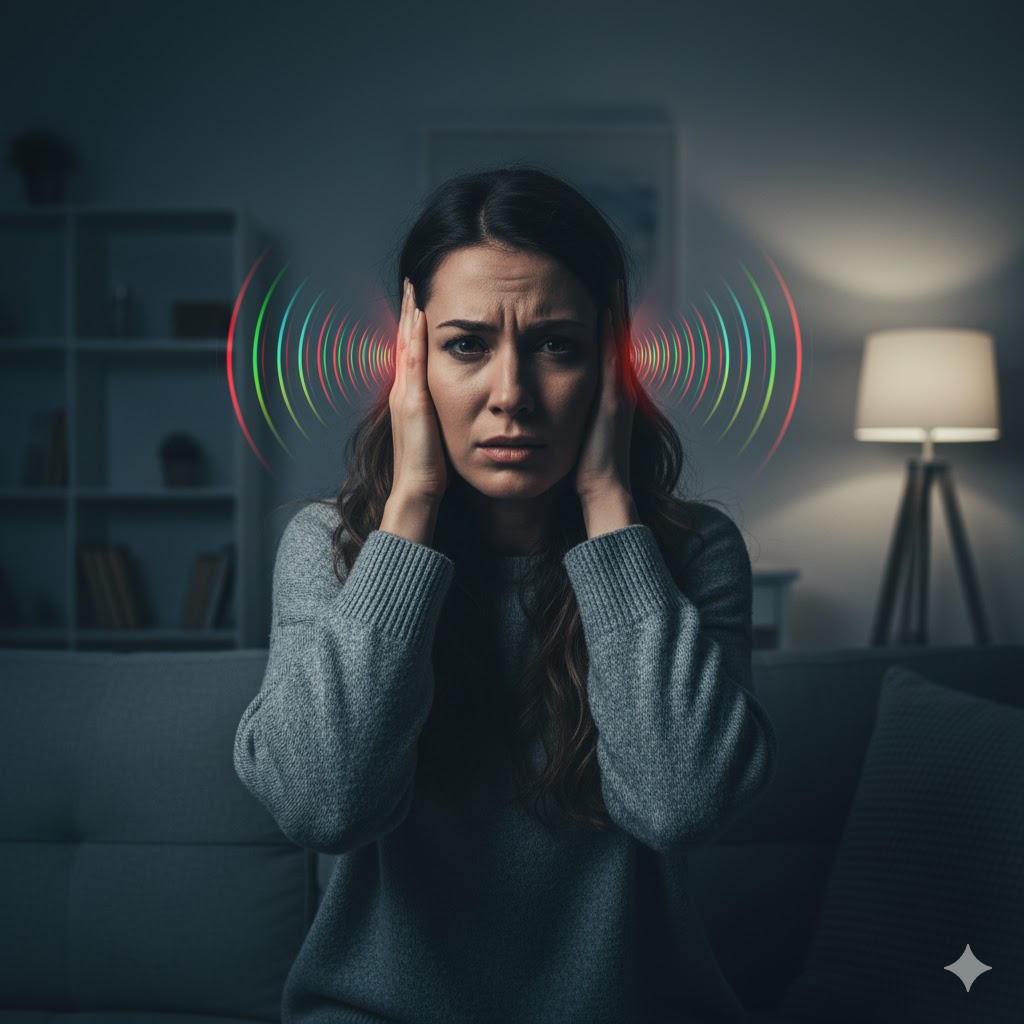
    Tinnitus, also known as “ear ringing,” is the perception of a sound with no corresponding external source. The noise can vary depending on the cause and the characteristics of each individual, and it may be triggered by different factors, including the use of medications such as antidepressants — although these cases are less common.

    In fact, antidepressants are often used to treat mood disorders related to tinnitus.

    In this article, I explain this relationship and provide important information for people who began experiencing tinnitus after starting a medication. Keep reading to learn more!

    Can antidepressants cause tinnitus?

    Antidepressants are medications prescribed to treat a variety of health conditions. Although they are generally safe and effective in most cases, they can cause side effects in some patients, as with any other medication.

    Indeed, some patients report tinnitus as a side effect of antidepressant treatment, but this type of manifestation is very rare.

    It is important to note that tinnitus can be associated with several causes, and the antidepressant is not always responsible for the symptom. For this reason, it is essential to have a physician monitor your case closely to investigate and confirm any correlation between the medication and the tinnitus.

    Vestibular disorders, hearing loss, vascular conditions, impacted earwax, and temporomandibular joint dysfunction (TMJ) are some common causes of tinnitus that may not yet have been identified by the patient.

    Which antidepressants cause tinnitus?

    Tinnitus as a side effect of antidepressants is not restricted to a specific group of medications. The symptom may affect people who use both tricyclic antidepressants and SSRIs (Selective Serotonin Reuptake Inhibitors).

    Among the most commonly used tricyclic antidepressants, we can mention:

    • amitriptyline
    • nortriptyline
    • clomipramine

    Among SSRIs, the most used are:

    • fluoxetine
    • paroxetine
    • fluvoxamine
    • citalopram
    • sertraline

    Why can antidepressants cause tinnitus?

    The exact mechanism through which antidepressants may lead to tinnitus is not fully understood and can vary depending on the medication and the patient’s individual condition.

    Among other functions, these medications increase the availability of serotonin, generating positive effects in treating mood disorders but potentially causing unwanted effects in the body as well.

    Substances present in some antidepressants, such as Imipramine, Amitriptyline, and Citalopram, are considered ototoxic, meaning they can damage cells in the inner ear and possibly trigger symptoms such as tinnitus.

    This does not mean that everyone who uses these medications will develop the symptom. As mentioned, this is uncommon and, in most cases, temporary.

    It is also important to highlight that many other medications can affect inner-ear structures and consequently cause tinnitus, such as chemotherapy drugs, antibiotics, and analgesics.

    Tinnitus after taking antidepressants: what should you do?

    If you noticed tinnitus after starting antidepressant treatment, stay calm and understand that the best approach is to report the symptom to your doctor. Never change or discontinue the use of antidepressants without medical guidance, as this can lead to serious adverse effects.

    By reporting the symptom, your doctor can assess the relationship between the treatment and the tinnitus and investigate other possible underlying causes.

    If necessary, the patient may be referred to an otolaryngologist or an otoneurologist (an ENT specialist in dizziness and tinnitus) for a more in-depth evaluation.

    Can people with tinnitus take antidepressants?

    There are no specific restrictions on the use of antidepressants for people who already have tinnitus. On the contrary, antidepressants are often used in treating patients with tinnitus, especially when the distress caused by the symptom contributes to the development or worsening of mood disorders.

    Tinnitus is also frequently involved in cases of insomnia, which often require this type of medication.

    Therefore, even though antidepressants can cause or worsen tinnitus, this should not be a cause for concern for most people. Talk to your doctor and provide as many details as possible about your experience so that the best treatment strategy can be defined for your case.

  • Ringing in the ears after a concert: what it means and how to treat it

    Ringing in the ears after a concert: what it means and how to treat it

    After loud events like concerts, clubs, and festivals, it’s very common to experience ringing in the ears — a generally temporary symptom caused by damage to the sensory cells of the inner ear due to intense sound exposure. For most people, the ringing fades within a few hours, but in some cases, it can become permanent.

    After a party or concert — usually with extremely loud music — many people notice persistent ringing. But why does this happen?

    In noisy environments, or when using earphones at high volume for long periods, sound pressure can exceed the ear’s safe limits, stressing and injuring the inner ear cells.

    Most of the time, this is temporary and the ear recovers naturally. However, it’s important to understand what is behind the ringing and how to respond — especially if the symptom lasts longer than expected, which may indicate more significant hearing damage.

    In this article, I’ll explain why this ringing occurs, what to do when it happens, and how to protect yourself in the future. Keep reading!

    Is ringing in the ears normal after concerts or parties?

    Yes, it’s normal to experience ringing in the ears after loud events — and the same goes for people who spend long periods listening to loud music through headphones.

    As mentioned earlier, tinnitus occurs because the sensory cells in the ear are injured during noise exposure.

    In most cases, the symptom is temporary because the cells can recover. However, depending on the severity of the injury or the individual’s sensitivity, damage may become permanent.

    If the ringing continues — especially when combined with hearing loss or a feeling of clogged ears — seeing an ENT doctor or neurotologist (specialist in tinnitus) is essential.

    What exactly is tinnitus?

    Tinnitus is a perception of sound without an external source, triggered by various conditions involving hearing function and the brain’s sound processing pathways.

    Although causes differ from person to person, many vestibular disorders may involve tinnitus, dizziness, and vertigo together.

    Tinnitus may also result from:

    • neurological disorders;
    • vascular changes near the ear;
    • temporomandibular joint dysfunction (TMJ);
    • stress, anxiety, and depression;
    • and especially hearing loss — the most common cause of persistent tinnitus.

    How to stop tinnitus after a show?

    The best thing to do when experiencing ringing after a loud event is auditory rest — avoid noisy environments and loud sounds to allow the inner ear to fully recover.

    Recovery time varies and may take days. In cases of acoustic trauma, corticosteroids may help, but there is no medication proven to instantly eliminate tinnitus. Some drugs, like aspirin, may even worsen it.

    So for now… silence is the best medicine.

    What if the ringing doesn’t go away?

    If tinnitus persists despite proper auditory rest, medical evaluation is necessary.

    Whether tinnitus becomes permanent depends on multiple factors:

    • intensity and duration of noise exposure;
    • pre-existing hearing issues;
    • individual susceptibility — some people are more vulnerable to auditory damage.

    Even if tinnitus becomes chronic, there are numerous treatment options to improve quality of life and productivity. The first and most important step is consulting a specialist to determine the cause and adopt the best management approach for your specific case.

  • Tests for labyrinthitis: what test should I take for dizziness?

    Tests for labyrinthitis: what test should I take for dizziness?

    There is no specific test capable of diagnosing labyrinthitis — or any other cause of dizziness — on its own. Exams are just part of the diagnostic process, which also depends on medical evaluation and, most importantly, the patient’s own report. It’s not uncommon for people with vestibular disorders to have completely normal test results.

    Labyrinthitis is a medical condition that affects the inner ear, specifically the labyrinth, a structure responsible for balance and hearing.

    It is an infectious condition, usually accompanied by symptoms such as dizziness, vertigo, nausea, imbalance, and auditory changes like hearing loss and tinnitus. However, many other disorders share similar symptoms — which makes diagnosis challenging.

    Moreover, laboratory tests and imaging, when used alone, are often unable to determine whether labyrinthitis is present or has occurred in the past. That’s why a detailed health history and careful clinical evaluation are essential for diagnosis.

    Still, exams are valuable tools — they help specialists understand the condition in depth and rule out other possible causes. Below, I answer the most frequent questions about tests used when labyrinthitis is suspected. Check it out!

    Which exams help diagnose labyrinthitis?

    Because vestibular disorders — including labyrinthitis — typically cause very similar symptoms, the goal of diagnostic exams is often more about ruling out other conditions and identifying associated factors than pinpointing the main cause.

    This is essential, since dizziness, vertigo, tinnitus, and hearing loss are common in a wide range of health conditions.

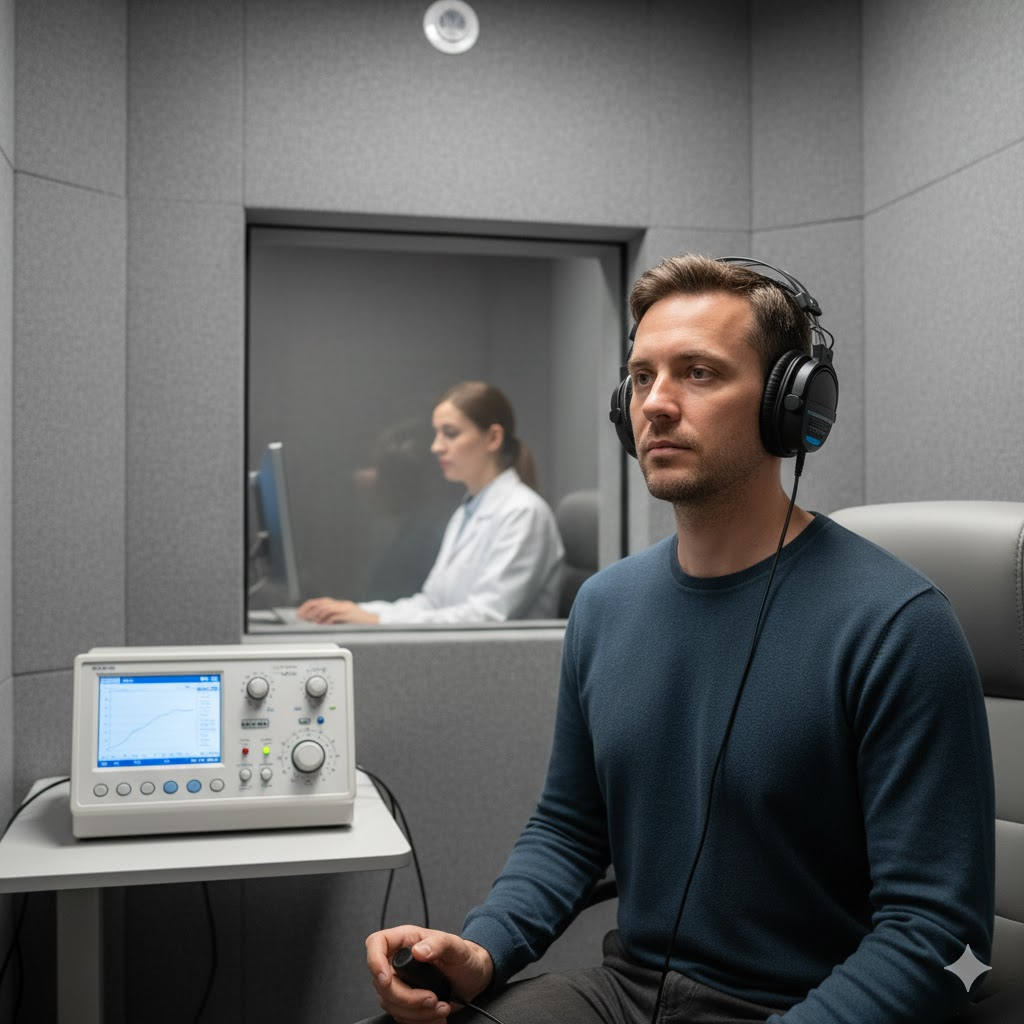
    Audiometry

    Audiometry is fundamental not only to assess hearing loss, but also to compare both ears, since labyrinthitis often affects hearing in just one ear.

    Immittance Testing

    Immittance testing (or impedance testing) provides detailed information about the middle ear and the Eustachian tube, helping identify whether fluid in the middle ear may be leading to labyrinthitis.

    Blood Tests

    Blood work may help detect signs of infection that could indicate labyrinthitis.

    Videonystagmography (VNG) or Electronystagmography (ENG)

    ENG and VNG are key exams for evaluating neurological structures involved in balance and part of the labyrinth responsible for equilibrium.

    During these tests, electrodes (ENG) or cameras (VNG) record eye movements in response to vestibular and visual stimuli — such as tracking a moving target or thermal stimulation of the labyrinth.

    Because they assess multiple components of the vestibular system, these tests can detect abnormalities associated with labyrinthitis, such as spontaneous nystagmus and asymmetry between the two sides of the labyrinth.

    Do tests show everything I need?

    While exams are important — they provide crucial data about the vestibular and auditory system — they rarely offer all the answers on their own.

    As mentioned earlier, diagnosis depends largely on the patient’s narrative, combined with medical evaluation, history, and exam results.

    Therefore, being precise and detailed during the consultation makes all the difference. Pay attention to your symptoms.

    • How does your dizziness feel?
    • When does it occur?
    • Are there triggers?
    • Are there additional symptoms — even subtle ones?

    Every detail matters.

    I have dizziness but normal test results — what now?

    It’s common for patients to arrive with several normal exam results but persistent dizziness. In these situations, guidance from a specialized doctor is even more important — ideally an ENT focused on vestibular and auditory disorders).

    As with other infectious disorders, labyrinthitis treatment typically includes rest, hydration, medications for symptom relief, and treatment of the underlying cause — and rehabilitation if sequelae remain. But that only applies if the diagnosis truly is labyrinthitis.

    Many other conditions can cause dizziness as the main symptom, each requiring its own diagnostic and therapeutic approach.

    Now you know that exams support the diagnosis of labyrinthitis — but they are not definitive. And in every case, treatment must be personalized and guided by a specialist.

  • Cybersickness: the link between technology, dizziness and nausea

    Cybersickness: the link between technology, dizziness and nausea

    Excessive use of smartphones, computers, and virtual reality devices has been associated with symptoms like dizziness and nausea — mainly caused by screen light and motion. These symptoms, known as cybersickness, can persist even after using these technologies and may also help reveal pre-existing conditions such as vestibular migraine.

    Have you ever stopped to think about how new technologies might be related to dizziness? With the massive increase in digital device use worldwide, doctors, researchers, and society are observing new and concerning patterns related to balance and wellbeing.

    There are countless reports of people experiencing nausea, dizziness, and headaches after long periods of smartphone use. These complaints become even more intense when apps include animated elements — especially immersive experiences like virtual reality headsets.

    However, not everyone who uses these devices will develop symptoms — and even when symptoms occur, screens aren’t always the real cause. Many factors are involved, and we must analyze this phenomenon carefully to avoid misleading assumptions.

    In this article, I’ll share insights into how technology may affect your health — and offer tips to minimize discomfort while using digital devices. Keep reading!

    What is the relationship between new technology and dizziness?

    Technologies involving frequent and prolonged screen exposure — smartphones, computers, augmented reality, and virtual reality devices — have been linked to dizziness, nausea, and headaches due to the brightness and motion of digital images.

    The bright light can strain the eyes, while screen motion challenges balance and causes disorientation — effects processed by the vestibulo-ocular system, responsible for stabilizing vision and coordinating head and eye movements.

    In VR devices, for example, users see realistic 3D environments and movement — but the body remains still. This sensory mismatch can confuse the brain and trigger dizziness and nausea similar to motion sickness.

    Additionally, prolonged screen use can disrupt sleep, increase stress, and cause muscle tension — all factors that contribute to what we now call cybersickness.

    What is cybersickness?

    Cybersickness, or virtual motion sickness, describes a set of symptoms similar to motion sickness that occur during or after exposure to virtual environments — such as VR games, simulators, and other immersive experiences.

    Symptoms include:

    • nausea;
    • drowsiness;
    • stomach discomfort;
    • headaches;
    • disorientation.

    Cybersickness may continue even after the device is removed, leaving users unstable or dizzy for minutes — or hours.

    The term was originally used in the military — especially aviation — when flight simulator trainees experienced motion sickness–like reactions despite being carefully selected for lower sensitivity.

    As VR and mobile devices expanded into everyday life, cybersickness became common among regular users — who are often more vulnerable, with no training to manage these effects.

    Prolonged screen time may also cause:

    • eye strain;
    • headaches;
    • eye irritation;
    • difficulty concentrating.

    And importantly: not all dizziness from screens is cybersickness.

    It may indicate underlying vestibular disorders, such as vestibular migraine or visual vertigo, which can exist independently of technology use.

    How to prevent dizziness while using technology daily?

    The first step is to monitor and reduce screen time when possible — and diversify activities with off-screen moments.

    Other useful strategies:

    • set daily screen-time limits;
    • use accessibility settings like brightness control and blue-light filters;
    • take regular breaks — especially for those who work in front of screens;
    • stretch your body and relax your eyes during breaks;
    • maintain proper ergonomic posture to relieve muscle strain.

    These measures help prevent sensory overload, visual fatigue, and headaches related to screen exposure.

    Is technology really the cause of dizziness?

    Cybersickness is not very common in the general population, being more frequent among users of VR and AR devices.

    Therefore, dizziness should always prompt investigation for other possible causes — especially if symptoms are recurring.

    A prime example is vestibular migraine, a neurological condition featuring vertigo and imbalance with or without headache. Attacks may include:

    • nausea;
    • sensitivity to movement, light, and sound;
    • pulsating headache (often one-sided);
    • blurred vision.

    Diagnosis is clinical, based on symptom history and ruling out other vestibular disorders. Treatment involves symptom-relief medication and lifestyle changes.

  • Vestibular migraine and diet: how food influences the symptoms

    Vestibular migraine and diet: how food influences the symptoms

    The influence of diet on vestibular migraine is linked to the body’s overall metabolism and biochemical processes that can trigger or modulate episodes. Adopting a healthy lifestyle can reduce both the severity and frequency of attacks.

    Recognized as a complex neurological condition affecting millions worldwide, vestibular migraine is mainly characterized by recurrent headaches that may be accompanied by dizziness and tinnitus.

    Migraine headaches are often described as intense and pulsating, usually affecting one side of the head — but in some cases, both sides may be involved. Nausea, vomiting, and sensitivity to light and sound are also common.

    Just like classic migraines, there are specific treatments that involve lifestyle changes — especially dietary adjustments. I’ll explain everything in detail below. Let’s go!

    What is vestibular migraine?

    When a patient experiences dizziness, instability, imbalance, a floating sensation, or spinning vertigo — lasting from minutes to hours — in addition to common migraine symptoms, we call it vestibular migraine. These symptoms originate from the vestibular system, responsible for balance and spatial orientation.

    Vestibular symptoms don’t always come with headache. Patients may experience some or all symptoms, and they can appear before, during, or after migraine attacks — and may even vary in the same person.

    During an episode, patients may also notice auditory changes, such as tinnitus or a feeling of fullness in the ear.

    How does diet influence vestibular migraine?

    Management often involves medication for pain and vertigo control. In some cases, daily medication may be necessary to prevent new episodes.

    However, the main strategy for crisis prevention in all cases is a healthy lifestyle — with a special focus on proper nutrition. What you eat directly affects metabolism and biochemical pathways that may trigger or aggravate symptoms.

    Which foods can worsen migraines?

    It’s important to note that sensitivity varies between individuals. What triggers a migraine in one person may not affect another.

    Still, some foods are widely recognized as common triggers:

    • aged cheeses, processed meats, and pickled foods: high in tyramine, which can provoke attacks in sensitive individuals;
    • excess caffeine (coffee, tea, chocolate): may affect stimulating neurotransmitters linked to migraine crises;
    • alcohol (especially red wine and beer): affects neurotransmission in the CNS and dilates blood vessels in the brain;
    • monosodium glutamate (MSG): a flavor enhancer that activates glutamatergic pathways, stimulating brain activity;
    • processed and ultra-processed foods: rich in sodium, saturated fats, and additives linked to inflammation.

    On the other hand, many foods help prevent symptoms and promote overall health. A balanced diet rich in fruits, vegetables, whole foods, lean protein — plus good hydration — is essential.

    Healthy eating isn’t enough!

    Just choosing the right foods is not enough if overall lifestyle habits are irregular.

    Patients with migraines must maintain:

    • regular meal schedules;
    • consistent sleep routine (same bedtime and wake time);
    • avoiding extremes like overexertion or extreme heat/cold;
    • proper hydration;
    • regular light exercise.

    Long fasting periods can affect neurotransmitter regulation and contribute to dehydration — a well-known trigger for severe migraine attacks.

    Healthy lifestyle habits are the foundation of prevention.

    How to overcome vestibular migraine?

    Vestibular migraine can be successfully controlled — as long as the diagnosis is accurate and the patient follows the right treatment plan.

    Management includes dietary changes, regular physical activity, stress control, proper sleep habits, and medication when necessary for pain and vertigo during attacks.

    Triggers vary greatly between individuals, so identifying personal patterns is key to a tailored, more successful approach.

    The first step is proper diagnosis. Don’t delay — consult an otolaryngologist or, ideally, an otoneurologist, an ENT specialist in dizziness and related symptoms. And remember: management is dynamic, multidisciplinary, and may involve other healthcare professionals.

  • Facts and myths about tinnitus: what’s true?

    Facts and myths about tinnitus: what’s true?

    Does tinnitus have a cure? Will tinnitus lead to deafness? Is it always a sign of hearing loss? Can Ginkgo biloba treat tinnitus? Find the answers to these and other common questions — and learn what’s fact and what’s myth when it comes to ringing in the ears.

    Tinnitus is a common, yet poorly understood symptom. It’s also very subjective, which opens room for speculation — and misinformation.

    In this article, I’ll clarify frequently asked questions often searched online and share important guidance for anyone dealing with tinnitus or who knows someone experiencing it.

    Let’s uncover the truths and myths about tinnitus. Check it out!

    1. Tinnitus is a disease

    Myth. While it is often perceived as a disease, tinnitus is actually a symptom linked to many different underlying conditions.

    It can be associated with earwax buildup, infections, hearing loss, metabolic disorders, injuries, and many other causes.

    2. Tinnitus has no cure

    It depends. Whether tinnitus can be cured depends on its underlying cause.

    In cases involving impacted earwax, medications with tinnitus as a side effect, or muscular issues, symptoms may completely disappear once the triggering factor is treated.

    Chronic cases — typically related to hearing loss or inner ear damage after infection or noise exposure — can be managed with several therapeutic strategies.

    Hearing aids and sound therapy are common approaches, as well as cognitive behavioral therapy (CBT) and relaxation techniques. These help reduce tinnitus perception, manage anxiety, and improve quality of life.

    3. People with tinnitus have hearing loss

    It depends. Hearing loss is frequently associated with tinnitus — but not everyone with tinnitus has hearing loss, and not every hearing loss results in tinnitus.

    Age-related or noise-induced hearing loss are major causes, but tinnitus can also stem from wax buildup, glucose metabolism disorders, and musculoskeletal conditions such as temporomandibular disorders.

    4. There’s no medication for tinnitus

    Fact. Currently, there is no drug specifically approved to treat tinnitus on its own.

    However, depending on the cause, certain medications may be used alongside other treatments to help manage symptoms.

    5. Ginkgo biloba treats tinnitus

    It depends. Ginkgo biloba is often cited as a treatment option, but scientific evidence is inconsistent. Studies show modest or no significant benefits — although some patients report subjective improvement.

    Even though it’s plant-based, medical supervision is important because Ginkgo biloba can cause side effects like headaches, gastrointestinal discomfort, or allergic reactions, and may interact with anticoagulants and blood pressure medications.

    6. Tinnitus is just an auditory illusion, so only the patient hears it

    Myth. Many people think tinnitus is “imagined” because there’s no external sound source (except in cases of objective tinnitus).

    But tinnitus is a real auditory perception — just like any other sound. It may resemble ringing, buzzing, hissing, or even heartbeat-like pulses.

    7. Dental issues can cause tinnitus

    True. Dental issues — especially Temporomandibular Disorders (TMD), whether muscular or involving the TMJ — are recognized triggers for tinnitus in many patients.

    The TMJ sits close to the middle ear and shares neural pathways (especially through the trigeminal nerve). Problems like malocclusion, inflammation, and bruxism (teeth grinding) can contribute to tinnitus.

    8. The right specialist is an ENT doctor

    True. An otorhinolaryngologist (ENT doctor) is the most qualified specialist to diagnose and treat tinnitus.

    For deeper investigation, an otoneurologist — an ENT focused on tinnitus and vertigo — is recommended.

    In many cases, tinnitus treatment is multidisciplinary, especially when linked to emotional, neurological, or muscular factors.

  • 10 facts and myths about dizziness: what’s true and what’s not?

    10 facts and myths about dizziness: what’s true and what’s not?

    Is dizziness the same as “labyrinthitis”? Can dizziness be emotional? Is dizziness normal in older adults? Can it be a sign of serious disease? Is it always temporary? Can people with dizziness drive safely?

    These are extremely common questions — and the answers are not always what people expect.

    Because dizziness is such a common symptom — and not always linked to serious conditions — lots of misconceptions continue to spread.

    Dizziness can appear in many different situations, from mild metabolic changes to medical emergencies.

    In this article, we clarify what is myth, what is fact, and what is more complex than it seems. Let’s get started!

    1. Dizziness is always labyrinthitis

    Myth. Dizziness is a symptom, while labyrinthitis is a specific disease.

    Labyrinthitis refers to inflammation of the inner ear labyrinth — a structure essential for balance and hearing. Although dizziness can occur in labyrinthitis, many other issues can trigger it too:

    • vestibular dysfunctions;
    • neurological disorders;
    • metabolic or hormonal changes;
    • side effects of certain medications or substances;

    So dizziness ≠ labyrinthitis.

    2. Dizziness can be emotional

    Depends.

    Anxiety, depression, and stress can trigger or worsen dizziness, creating a difficult cycle of symptoms.

    However, dizziness itself can generate anxiety and fear, especially when episodes are unpredictable.

    In many cases where patients believe the cause is emotional, there are undiagnosed physical factors, including:

    • vestibular disorders;
    • blood pressure changes;
    • heart or metabolic issues.

    A full medical evaluation is essential to properly identify causes and contributing factors.

    3. Dizziness isn’t always a disease

    True.

    Sometimes, dizziness is a temporary response to normal physiological situations, such as:

    • low blood sugar after long fasting;
    • intense physical exertion beyond usual routine;
    • severe heat exposure and dehydration.

    In these cases, dizziness resolves once the triggering factor is corrected.

    But if episodes are frequent, persistent, or intense — medical investigation is necessary.

    4. Dizziness can be a stroke

    True — and serious.

    While less common, dizziness may be a symptom of a stroke (ischemic or hemorrhagic) — especially if accompanied by:

    • weakness or numbness on one side of the body;
    • speech difficulties;
    • confusion;
    • sudden changes in vision.

    A stroke is a medical emergency. If these signs appear, seek care immediately.

    5. Dizziness in older adults is normal

    Myth.

    Dizziness is more common with aging due to:

    • reduced vestibular function;
    • worse vision;
    • musculoskeletal issues;
    • medication side effects.

    But that does not mean it’s normal or untreatable.

    Every dizziness episode has causes — and should be investigated to prevent falls and complications.

    6. High blood pressure causes dizziness

    True.

    Sudden changes in blood pressure — both high (hypertension) or low (hypotension) — may alter blood flow to the brain, resulting in dizziness.

    Hypertension can also damage blood vessels, affecting circulation in the brain and even the inner ear.

    Hypotension can cause dizziness, confusion, or fainting due to lack of oxygen supply.

    7. People with dizziness can’t drive

    Depends.

    If dizziness is mild and under control — and the driving license is valid — there’s usually no restriction.

    However, if episodes are unpredictable, frequent, or intense, a medical evaluation is necessary.

    During an active dizziness attack: do not drive or operate dangerous machinery.

    8. People with dizziness can’t eat sweets

    Myth.

    Sugar and caffeine may worsen symptoms in some individuals — but not everyone reacts the same way.

    The key is moderation, including:

    • chocolate;
    • coffee;
    • highly processed sweets.

    What matters most is identifying personal triggers and adjusting habits accordingly.

    9. Tumors can cause dizziness

    True — but rare.

    Some tumors, such as vestibular schwannoma (a slow-growing benign tumor), may cause dizziness.

    But these cases are far less common than typical vestibular disorders, like:

    • BPPV (benign paroxysmal positional vertigo);
    • vestibular migraine.

    A specialist will determine whether neurological investigation is necessary.

    10. The doctor who treats dizziness is an ENT

    True.

    The ENT (otolaryngologist) is the right specialist to start evaluation.

    For more complex vestibular cases, a neurotologist — an ENT specialized in dizziness and tinnitus — is the most recommended professional.

    Even when the cause involves other medical fields, the first medical contact should be a dizziness specialist.