
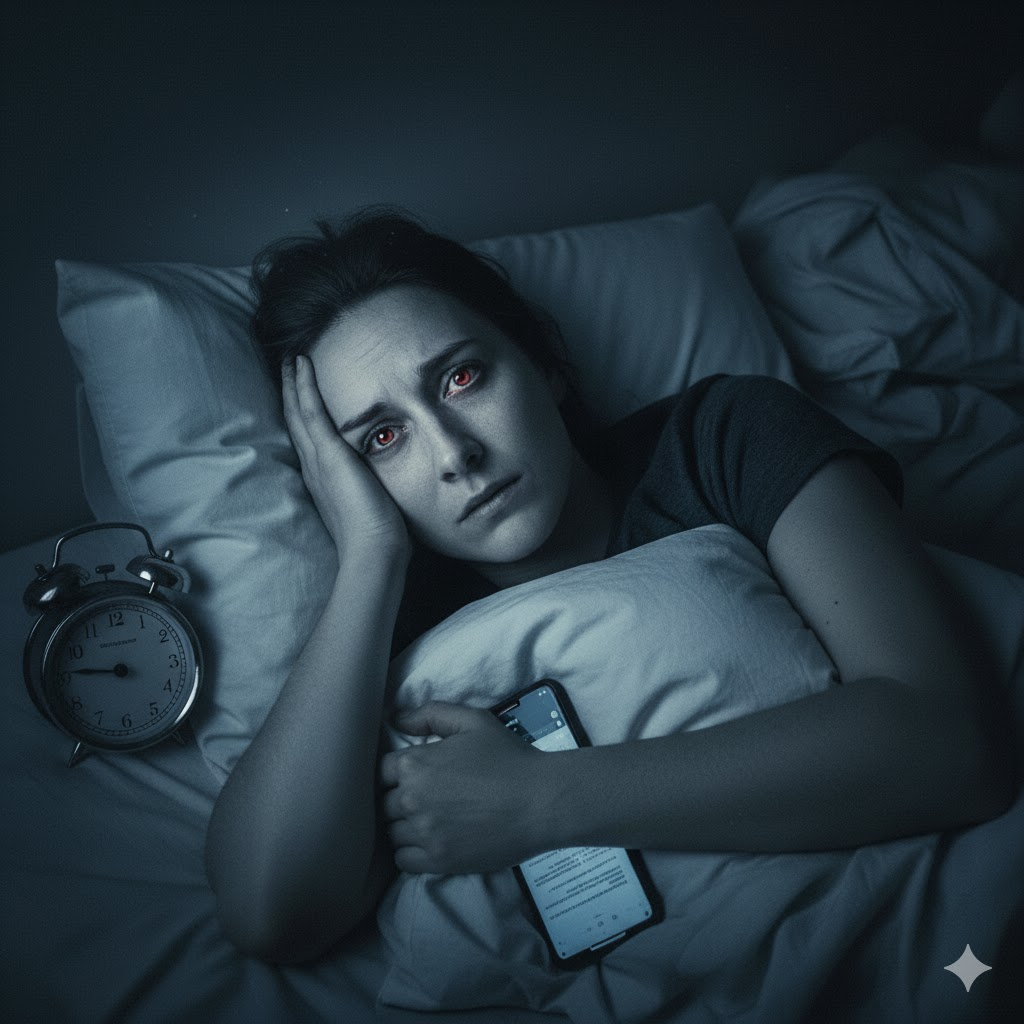
Sleep disorders may be related to tinnitus, but this connection must be assessed on a case-by-case basis. There are many factors that can influence sleep quality, and tinnitus is only one of them.
Tinnitus can manifest in many different ways. Patients often describe it as a sound similar to a waterfall, hissing, cicadas, whistling, or even a pressure cooker, among several other comparisons.
Because the noise becomes more noticeable in silence, it is natural for patients to feel more disturbed by the symptom at night. Many of them notice tinnitus for the first time during this period.
On the other hand, some report that their tinnitus worsens when they sleep poorly, which may be linked to fatigue and stress caused by insufficient or poor-quality sleep.
In this article, I discuss these relationships and answer some common questions about the topic. Keep reading to learn more!
- Do people with tinnitus suffer from insomnia?
- Why does tinnitus get worse at night?
- How does tinnitus affect sleep?
- What can you do at bedtime to reduce tinnitus?
- How to improve tinnitus symptoms?
Do people with tinnitus suffer from insomnia?
Not necessarily. Many people with tinnitus are not bothered by it. However, some patients do struggle to fall asleep or wake up feeling anxious and irritated.
It is important to note that, in many cases, sleep problems existed before tinnitus appeared — often due to anxiety, sleep apnea, or poor bedtime habits.
Sleep complaints are more common when tinnitus is recent, a time when the patient is still very uncomfortable and worried about its implications.
Therefore, each case must be evaluated carefully and broadly, since both tinnitus and insomnia are linked to irritability, fatigue, emotional strain, and mood disorders.
Why does tinnitus get worse at night?
Many patients claim their tinnitus becomes louder at night, but in most cases, this is only a perception. The sound itself doesn’t intensify — it simply becomes more noticeable because there are fewer environmental noises masking it.
Tinnitus will always be more perceptible in quiet environments, and it’s common for patients to avoid silence. Many choose to keep a TV, fan, or audio device on to mask the noise.
When tinnitus causes significant discomfort, it can make it harder to fall asleep. Moreover, the fatigue caused by insomnia adds to the distress and anxiety, further affecting the patient’s quality of life.
How does tinnitus affect sleep?
Studies show that people with tinnitus exhibit increased activity in certain brain areas related to hearing, although it’s not yet clear whether these changes directly affect sleep quality.
Some estimates suggest that tinnitus sufferers experience sleep disturbances and night terrors more often, possibly due to these neurological changes — but more research is needed to confirm this link.
What we do know is that tinnitus can cause discomfort and irritation, and this emotional response interferes with sleep quality.
Fatigue, stress, and anxiety also worsen the perception of tinnitus, creating a harmful cycle marked by insomnia at night and heightened tinnitus awareness during the day.
What can you do at bedtime to reduce tinnitus?
To help you fall asleep and improve sleep quality, avoid stimulants like coffee and energy drinks, and limit screen time before bed — especially on your phone, TV, or computer. The light from these screens stimulates the brain and delays sleep.
Establishing a bedtime routine also helps your body recognize when it’s time to rest.
To directly address tinnitus, sound therapy can be used. This involves using neutral, pleasant background sounds — slightly softer than the tinnitus — to reduce symptom perception in quiet settings.
Many people try this on their own using online audio tracks, but the best approach is to seek guidance from an ENT specialist or audiologist experienced in tinnitus management.
Simply masking tinnitus with a louder sound may offer temporary relief, but once the masking sound stops, the perception of tinnitus often returns stronger.
How to improve tinnitus symptoms?
Regardless of the cause or characteristics of tinnitus, adopting a healthy lifestyle is essential. Eat well, exercise regularly, and keep a consistent sleep routine.
Mental health care is equally important — managing stress and anxiety can significantly reduce the perception of tinnitus and its emotional impact.
Therapeutic and psychiatric support are often recommended, along with relaxation practices such as yoga and meditation. Engaging in enjoyable activities that promote well-being also helps.
These measures improve both tinnitus and sleep disturbances, whether they are related or not.
Most importantly, seek medical advice to properly understand your condition and access the best treatment options available.
There are effective resources and therapies for all types of tinnitus — so don’t hesitate to consult an otolaryngologist or an otoneurologist (an ENT specialist focused on tinnitus)!