
Blog archive
Browse below or search for a symptom or disease
All information presented on this website is for informational purposes only and does not replace the proper evaluation of a healthcare professional.
-

10 facts and myths about dizziness: what’s true and what’s not?
Is dizziness the same as “labyrinthitis”? Can dizziness be emotional? Is dizziness normal in older adults? Can it be a sign of serious disease? Is it always temporary? Can people with dizziness drive safely? These are extremely common questions — and the answers are not always what people expect. Because dizziness is such a common…
-

Tinnitus and meditation: how mindfulness helps you manage the noise
Tinnitus is the perception of a sound without an external source, and it can be connected to several different causes. Meditation — especially mindfulness practices — can support treatment and help reduce the patient’s anxiety toward the symptom. We know tinnitus can feel like a true torment for a portion of patients, although in most…
-

Benign paroxysmal positional vertigo (BPPV): causes, symptoms and treatment
Popularly known as “crystal dizziness,” benign paroxysmal positional vertigo (BPPV) is one of the most frequent diagnoses in ENT practices. Its most common symptom is vertigo — short, sudden spinning episodes triggered by head movements such as bending over, lying down, or getting up. BPPV is one of the leading causes of dizziness and, fortunately,…
-

Hearing aids: how they work, types, indications, and costs
Hearing aids are essential devices for people with hearing loss, tinnitus, and hyperacusis. Their purchase must be guided by an otolaryngologist or audiologist, and understanding how they work and the available options is also important. For people experiencing hearing loss, hearing aids are fundamental for maintaining productivity and quality of life. These devices are designed…
-

Dizziness and anemia: how they’re connected and when to seek help
Dizziness and anemia often go hand in hand, since reduced oxygen levels in the blood — a typical feature of anemia — can lead to this symptom. However, this relationship must be properly investigated, because dizziness has many other possible causes, and anemia usually presents with various additional symptoms. You’ve probably heard someone say that…
-
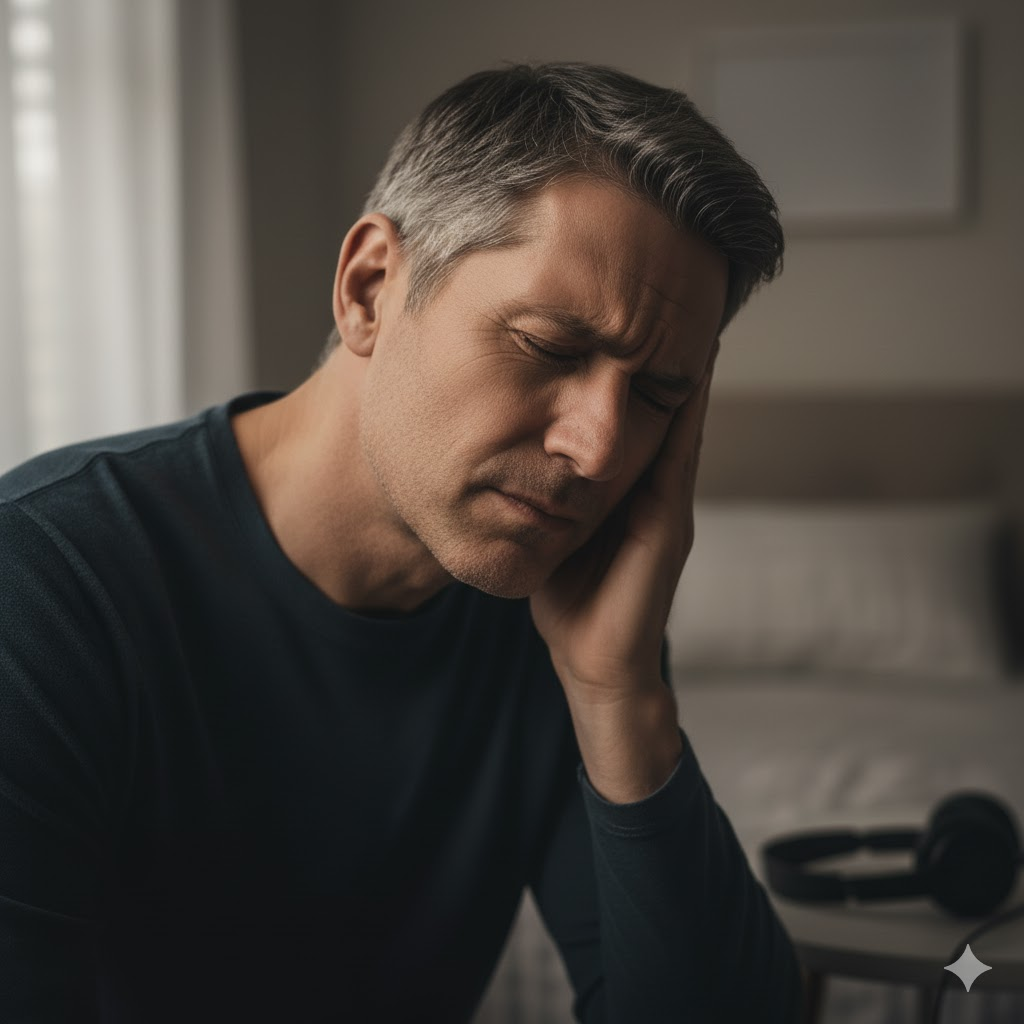
Tinnitus in one ear only: what it means and when to seek help
Tinnitus can affect one or both ears, and its intensity may be the same or different on each side. When it occurs in only one ear, healthcare professionals investigate infections, chronic conditions where this pattern is common, as well as hearing loss, which can happen unevenly between ears. Tinnitus is the perception of sound without…
-

Dizziness during menopause: why it happens and how to relieve it
Dizziness is a common symptom during the climacteric and doesn’t always suggest a health issue. However, when dizziness becomes persistent and is accompanied by other symptoms such as tinnitus, it deserves attention. Along with the typical menopause symptoms, dizziness can be an uncomfortable companion, appearing in recurring episodes of vertigo, which may or may not…
-

Does chocolate make tinnitus worse? Causes, triggers and how to enjoy it safely
Eating too much chocolate can worsen tinnitus in people who already experience the symptom — mainly due to the caffeine and sugar often found in chocolate products. Balanced consumption and healthier alternatives can help prevent discomfort. Chocolate is one of the most popular foods in the world. Whether used in desserts or eaten on its…
-

Dizziness after drinking alcohol: causes, risks, warning signs and how to improve it
Dizziness after consuming alcohol is common, but when it persists, it may indicate important underlying health issues. It also affects coordination and increases the risk of falls and accidents. Although reactions to alcohol vary from person to person — and depending on the alcohol content of each beverage — the classic symptoms are well known.…
-
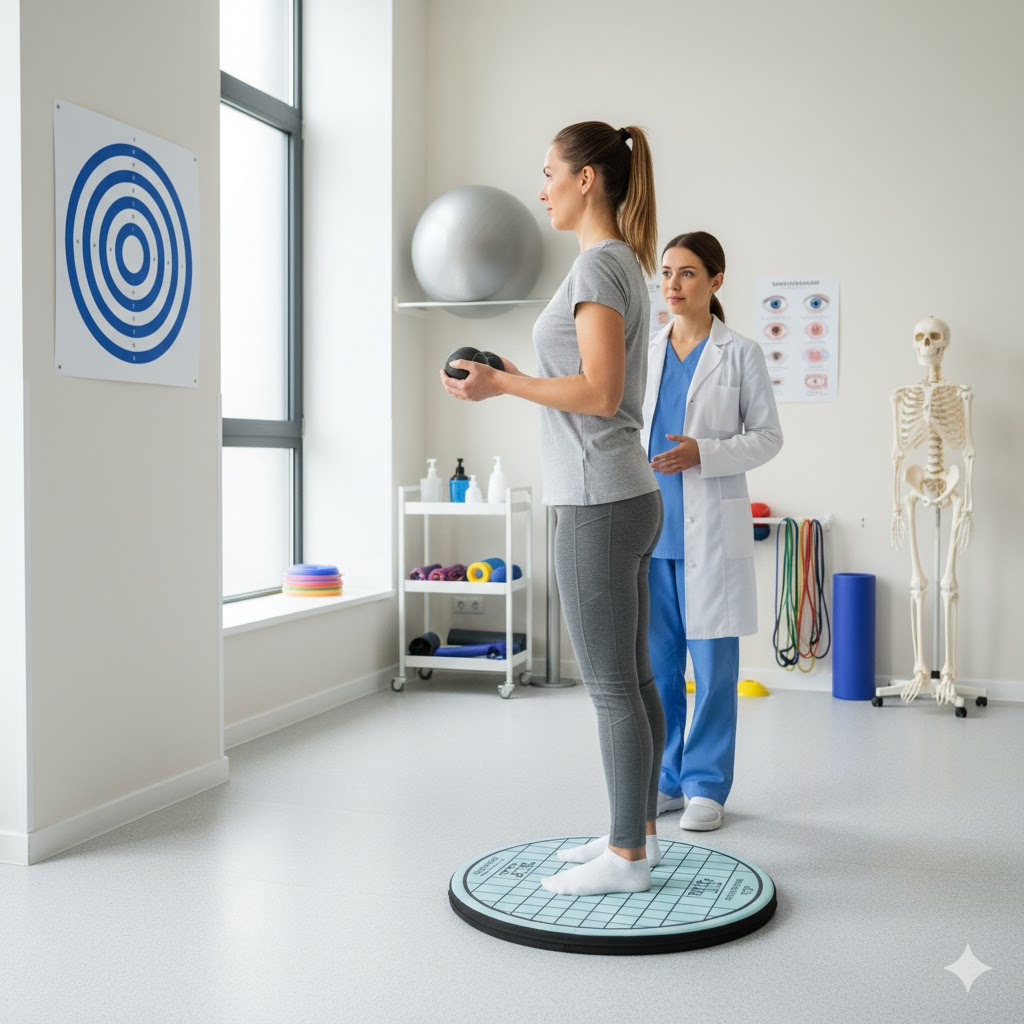
Vestibular rehabilitation therapy: how it helps improve balance and reduce dizziness
Vestibular rehabilitation therapy is a set of exercises and techniques designed to improve balance and coordination, especially in dysfunctions and disorders that cause dizziness. This treatment can be performed by otolaryngologists, audiologists, and specialized physical therapists. Dizziness is a symptom associated with several medical conditions in which sensory balance is impaired, leading to sensations such…